


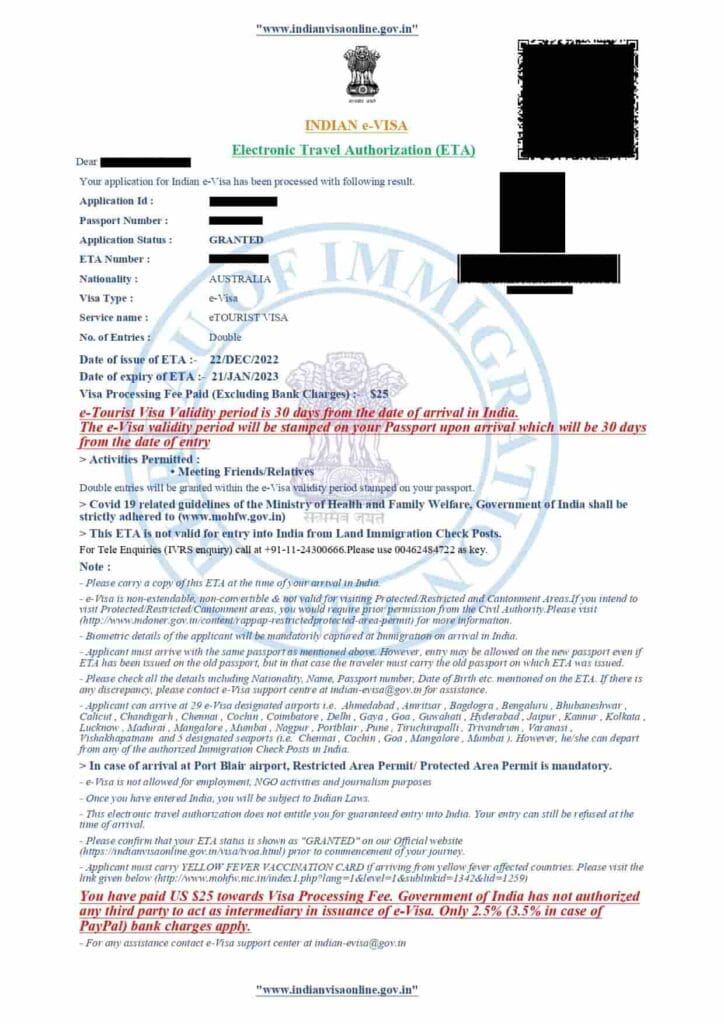
Planning a trip to India with India Visa and Travel Guide in 2026?
You are in the right place. India is one of the most visited countries in the world, and getting your visa right is the first step to a smooth journey. This guide covers everything you need — visa types, how to apply, documents required, and what to do when things go wrong.
Types of Indian Visas Available for Tourists
India offers several visa options for international visitors. The most popular for tourists are:
1) e-Tourist Visa (eVisa):
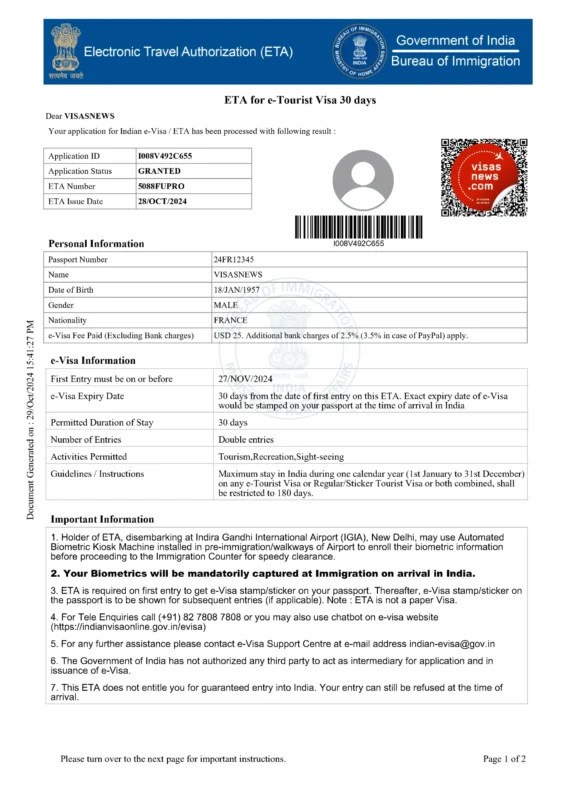
Available for citizens of over 160 countries. You apply online, and it is linked digitally to your passport. No sticker or stamp needed before travel.
2) Regular Tourist Visa:
Applied through the Indian embassy or consulate in your country. Suitable for long stays or multiple-entry travel.
3) e-Conference Visa:
For those attending events or conferences in India.
4) Medical Visa:
For those traveling for treatment at Indian hospitals.
Note: For most leisure travelers, the eVisa is the fastest and simplest option in 2026.
How to Apply for an India eVisa Online
The online process is simple and takes around 15 to 20 minutes.
🔹 Visit the official India eVisa portal: indianvisaonline.gov.in
🔹 Select “Tourist eVisa” and fill in your travel dates and personal details
🔹 Upload your passport photo and a scanned copy of your passport bio page
🔹 Pay the visa fee using a debit or credit card
🔹 Receive your eVisa via email within 72 hours (most approvals come within 24 hours)
🔹 Save the PDF of your approved eVisa and carry a printed copy when you travel.
Essential Requirements for an India Tourist Visa
Before you apply, make sure you have the following ready:
1) A valid passport with at least 6 months validity from your travel date
2) At least 2 blank pages in your passport
3) A recent passport-sized photograph (white background, face clearly visible)
4) A return or onward travel ticket
5) Proof of accommodation in India (hotel booking or invitation letter)
6) A valid email address and working debit/credit card for payment
Best Time to Apply for an India Tourist Visa
Apply at least 4 to 7 days before your travel date. During peak season (October to February), processing can take slightly longer due to high volumes.
Do not apply more than 120 days before your arrival date, as the eVisa validity starts from the date of issue.
Common Mistakes Travellers Make While Applying
Many visa rejections or delays happen due to simple errors. Watch out for these:
a) Wrong passport photo: The photo must be recent, on a plain white background, with no glasses
b) Mismatched names: Your name on the form must exactly match your passport
c) Incorrect travel dates: Double-check entry and exit dates
d) Expired passport: Make sure your passport does not expire within 6 months of arrival
e) Wrong file formats: Photos must be in JPEG format; passport scan must be in PDF or JPEG
f) Not saving the application ID: Always note it down in case you need to check your status
Document Guidelines for a Successful Visa
Follow these rules carefully when uploading documents:
1) Passport bio page scan: Clear, no shadows, all text readable
2) Photo file size: Between 10 KB and 1 MB
3) Passport scan file size: Between 10 KB and 300 KB
Ensure the photo shows your full face, looking straight at the camera
4) Do not crop or edit the passport page image
What to do if an error Is found after submission
- If you spot an error after submitting your application, do not panic.
- Log back into the eVisa portal using your application ID and email.
- Some fields can be edited before payment.
- After payment, you may need to withdraw the application and reapply.
- Contact the official India eVisa helpdesk if you cannot make changes on your own.
Arrival Process at Indian Airports With an eVisa
A) eVisa holders use the e-Visa Immigration Lane at major Indian airports. Here is what to expect:
- Present your printed eVisa approval letter and passport at immigration
- The officer scans your passport and verifies the eVisa digitally
- Your biometrics (fingerprints and photo) will be taken at the counter
- Once cleared, you receive an entry stamp in your passport
B) Major airports that accept eVisa arrivals include Delhi (IGI), Mumbai (CSIA), Bengaluru (KIAL), Chennai, Hyderabad, Kolkata, Kochi, Goa, and Ahmedabad.
C) Choosing the Right Airport for Your Entry
- If you have a flexible travel plan, choose your entry airport based on your first destination.
- Delhi is ideal for North India and Rajasthan travel.
- Mumbai works well for the western coast and Goa.
- Bengaluru or Chennai are best for South India.
- Kochi is a great entry point for Kerala.
Visa Validity, Entry Rules, and Maximum stay Duration for Tourists
- The standard India e-Tourist Visa is valid for 365 days from the date of issue.
- It allows double entry for 30-day stays, and multiple entries for 90-day or 180-day stays, depending on the visa type selected during application.
Maximum Stay Duration: 180 Days Per Year
- As of 2026, tourists on a multiple-entry eVisa can stay up to 90 consecutive days per visit, with a combined total not exceeding 180 days per calendar year.
- Overstaying your visa is a serious offence and can lead to fines, detention, or a ban from future travel to India.
Understanding Visa Requirements for Multi-City Travel
India does not require a separate visa for each city. One tourist visa covers the entire country. However, certain restricted areas like parts of Arunachal Pradesh, Sikkim, and Andaman & Nicobar Islands require additional Protected Area Permits (PAP) or Restricted Area Permits (RAP), which are applied for separately after arriving in India.
Visa Requirements for Families & Couples
Each traveller, including children, must have their own individual visa. Couples and families should apply separately, even if they are travelling together. Children travelling on their parent’s passport (in some older passports) must confirm with the Indian embassy, as this is not accepted in most cases.
Tips for Digital Payments & Phone Numbers
When filling in the eVisa form, you will need to provide a valid mobile number for OTP verification. Use a number that is active and accessible during the application process. For payment, use a Visa, Mastercard, or American Express card. Some Indian bank cards may face issues on the portal — use an international card if possible. Keep a record of the payment transaction ID.
Safety Tips for Visa & Travel Documents
Keep both digital and physical copies of your eVisa, passport, and insurance
Store copies in your email, Google Drive, or a cloud storage app
Keep your passport separate from your bag — use a money belt
Do not hand over original documents unless absolutely required
Register with your country’s embassy in India for emergency support
How a Private Driver Helps During Visa-Related Arrival Processes
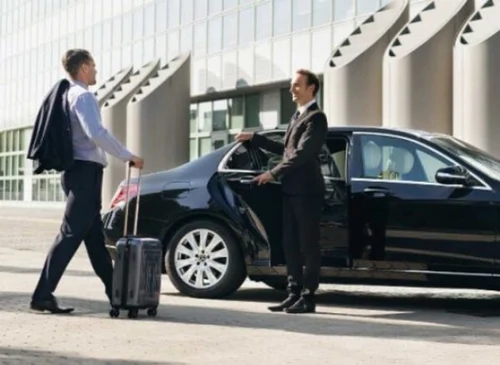
Hiring a private driver or pre-booked taxi from a trusted service makes arrival smoother, especially for first-time visitors. A reliable driver waits outside the arrival hall, helps with luggage, and takes you directly to your hotel without confusion. This is especially helpful late at night or at busy airports where local taxi touts can be overwhelming. Many hotels offer airport transfers — book in advance.
🚗 Why Choose Root Indians for Visa Travel guide
✅ Verified Drivers – All drivers are background-checked and trained for long routes
✅ Clean and Comfortable Cabs – Well-maintained fleet with AC and GPS
✅ Transparent Pricing – No hidden charges. What you see is what you pay.
✅ 24/7 Customer Support – Help available round the clock for any issue
✅ On-Time Pickup – We respect your time. Early morning pickups available.
✅ Multiple Cab Options – Sedan, SUV, luxury, and tempo traveller for all group sizes
✅ Easy Online Booking – Book in minutes from website or phone
✅ Best Rates – Competitive prices with no compromise on quality
For more information visit our website www.rootindians.com or contact on +91 78777 38437 For Customized itinerary.

❓ Frequently Asked Questions
Q: Can I extend my India tourist visa inside India?
Tourist visas are generally not extendable inside India. You must exit and re-enter if you need more time.
Q: How many times can I enter India on an eVisa?
With a 30-day eVisa, you get double entry. With 90-day or 180-day eVisas, multiple entries are allowed.
Q: Is travel insurance required for an India visa?
It is not mandatory but strongly recommended. Many airlines and travel agents advise it.
Q: Can I visit India on a business visa and do sightseeing?
No. Each visa type has specific permitted activities. Sightseeing requires a tourist visa.
Q: What if my eVisa is rejected?
The government does not always give a reason for rejection. You may reapply with corrected documents or apply through the Indian embassy directly.
Q: Do US, UK, and EU citizens need a visa for India?
Yes, all international tourists (except Nepali and Bhutanese nationals) require a visa to enter India.