


Golden Triangle India: A Complete Travel Guide
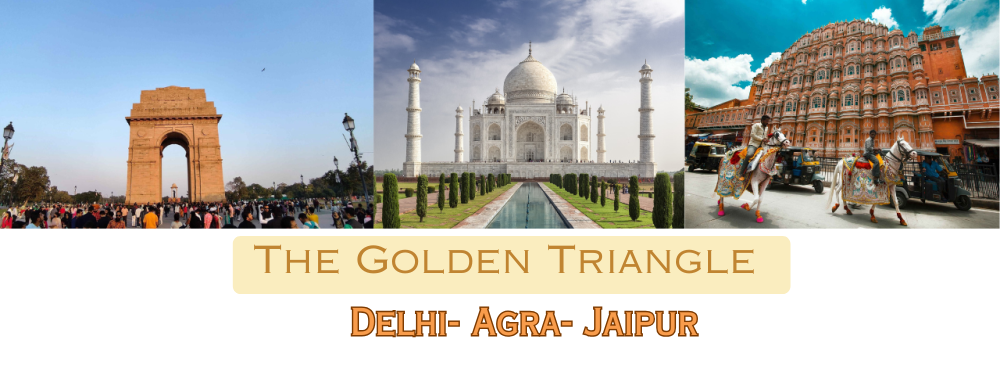
India is a land of extraordinary diversity, where ancient history blends seamlessly with modern vibrancy. Among the countless travel experiences this incredible country offers, the Golden Triangle stands out as the most iconic and popular tourist circuit. Connecting three of North India’s most magnificent cities — Delhi, Agra, and Jaipur — this triangular route covers approximately 720 kilometers and offers travelers an unforgettable journey through centuries of history, culture, architecture, and tradition.
Whether you are a first-time visitor to India or a seasoned traveler returning for more, the Golden Triangle provides the perfect introduction to the heart and soul of this remarkable nation.
Highlights of the Golden Triangle
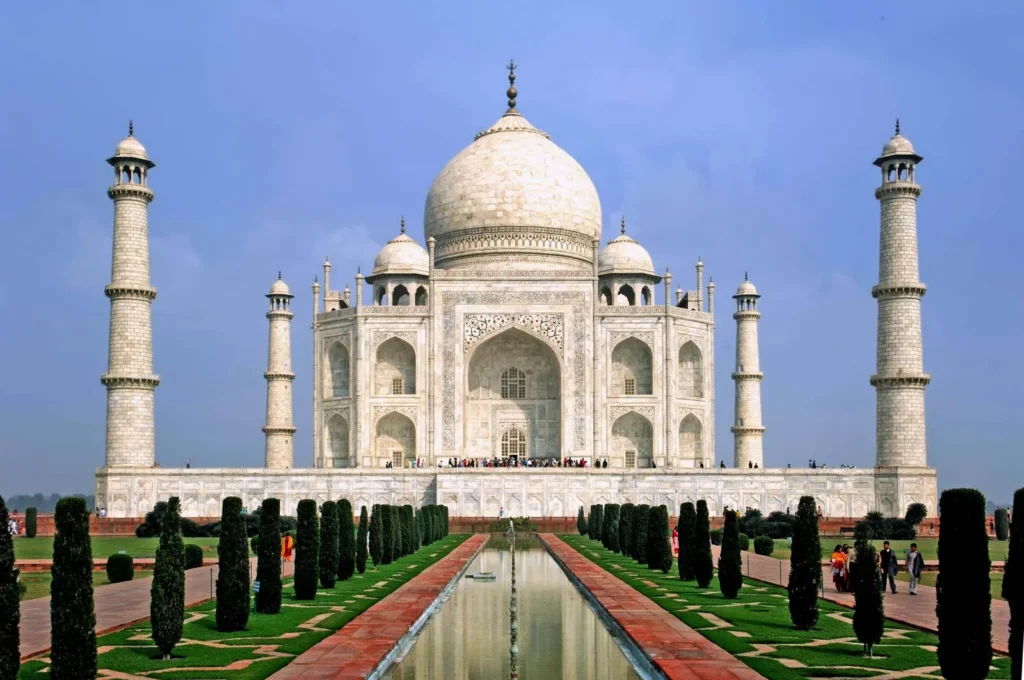
- Taj Mahal, Agra: One of the Seven Wonders of the World, this ivory-white marble mausoleum is a symbol of eternal love and Mughal architectural brilliance.
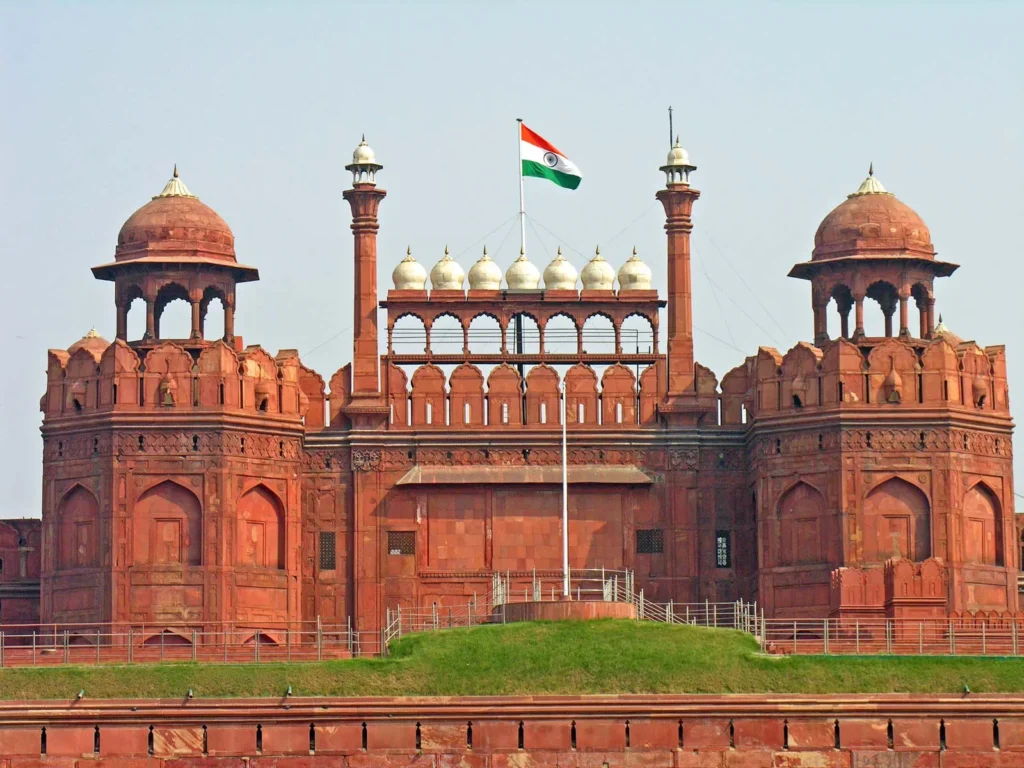
- Red Fort, Delhi: A UNESCO World Heritage Site, this majestic fort served as the main residence of Mughal emperors for nearly 200 years.
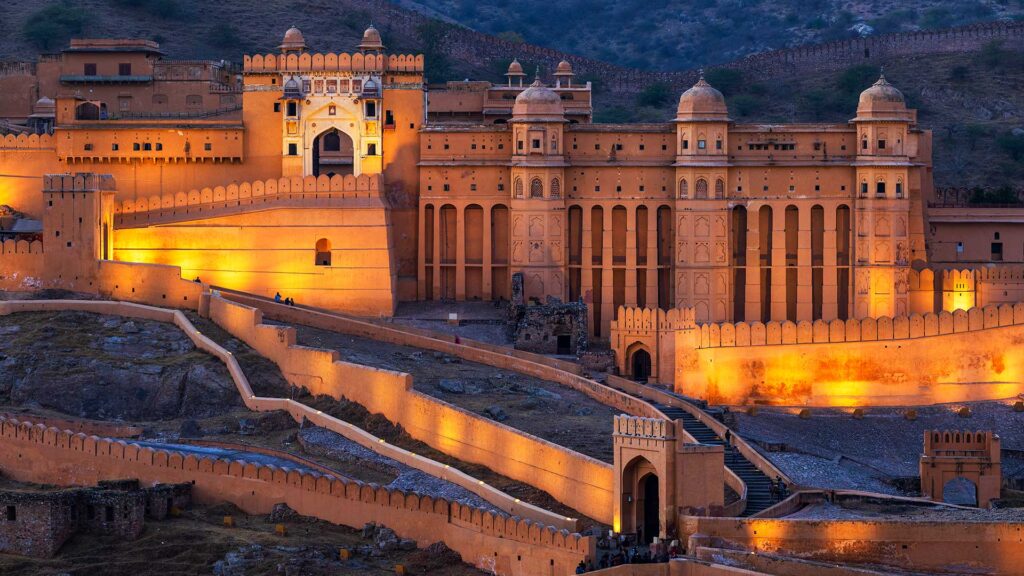
- Amber Fort, Jaipur: Perched on a hilltop, this stunning fort showcases a beautiful blend of Hindu and Rajput architectural styles.
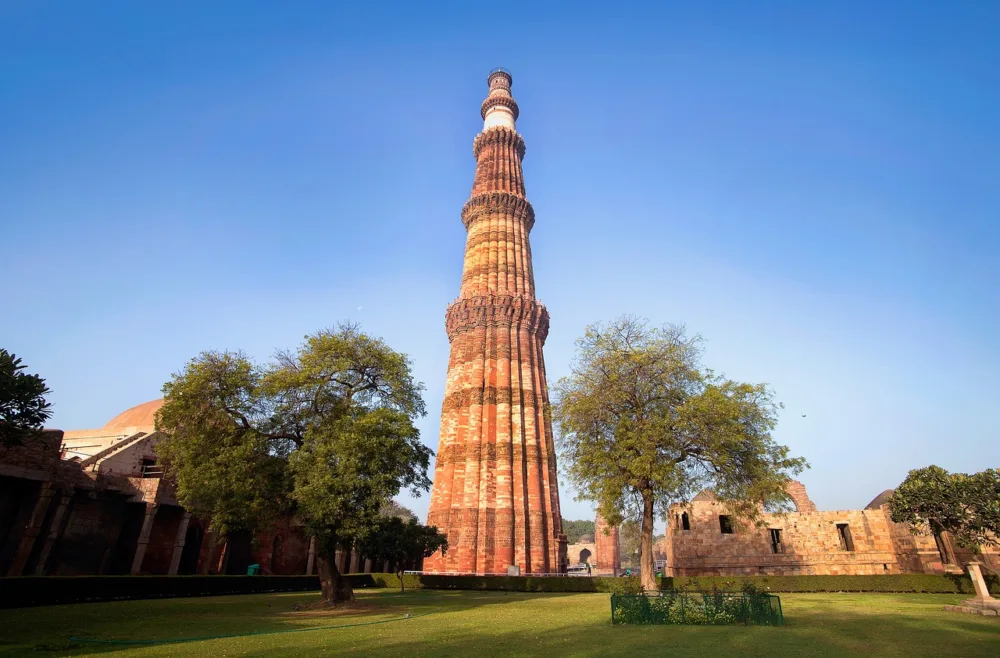
- Qutub Minar, Delhi: The tallest brick minaret in the world, standing as a testament to Indo-Islamic architecture.
- Hawa Mahal, Jaipur: Known as the Palace of Winds, this iconic pink sandstone structure features 953 small windows designed for royal women to observe street life.
- India Gate, Delhi: A war memorial honoring Indian soldiers, surrounded by lush gardens and vibrant energy.
- City Palace, Jaipur: A magnificent palace complex that still serves as the residence of the former royal family.
- Chandni Chowk, Delhi: One of the oldest and busiest markets in Old Delhi, offering a sensory overload of food, spices, and culture.
- Fatehpur Sikri: A ghost city near Agra built by Emperor Akbar, featuring stunning Mughal architecture.
- Local Cuisine: Savor Delhi’s street food, Agra’s famous Petha, and Jaipur’s traditional Dal Baati Churma.
Golden Triangle Tour Itinerary: 5 to 7 Days
Day 1: Arrival in Delhi – Local Sightseeing
Arrive in Delhi and begin your tour with iconic attractions like India Gate, Qutub Minar, Lotus Temple, and Humayun’s Tomb. Explore local markets or enjoy a street food walk in the evening.
Day 2: Delhi Sightseeing + Drive to Agra
Visit Old Delhi highlights like Red Fort, Jama Masjid, and Chandni Chowk. Later, drive to Agra via Yamuna Expressway (approx. 3–4 hrs). Check-in and relax.
Day 3: Agra Sightseeing – Drive to Jaipur (via Fatehpur Sikri)
Start early with a sunrise visit to the Taj Mahal. Then explore Agra Fort. Drive to Jaipur, stopping at Fatehpur Sikri en route. Reach Jaipur by evening.
Day 4: Jaipur Sightseeing
Discover Jaipur’s royal charm with visits to Amber Fort, Hawa Mahal, City Palace, and Jantar Mantar. Enjoy local shopping and Rajasthani cuisine.
Day 5: Jaipur – Return to Delhi
After breakfast, drive back to Delhi (approx. 5–6 hrs). Departure with beautiful memories of the Golden Triangle.
you can explore our other packages like
Best Time to Visit the Golden Triangle
The best time to explore the Golden Triangle is during the winter months from October to March. During this period, the weather remains pleasant, with daytime temperatures ranging from 15°C to 25°C, making it ideal for sightseeing and outdoor exploration.
Food and Culture of the Golden Triangle
The Golden Triangle is a vibrant celebration of India’s rich culinary and cultural heritage.
In Delhi, food lovers can indulge in iconic street delicacies like Chole Bhature, Butter Chicken, and Golgappe, while exploring the bustling lanes of Chandni Chowk filled with centuries-old traditions.
Agra delights visitors with its world-famous Petha sweets and authentic Mughlai cuisine, reflecting the grandeur of the Mughal era.
Jaipur offers a royal feast with traditional Rajasthani dishes like Dal Baati Churma, Laal Maas, and Ghewar, served with warm hospitality.
Culture:
Beyond food, the Golden Triangle immerses travelers in a rich cultural tapestry — from colorful festivals and folk dances to intricate handicrafts, grand palaces, and sacred temples. Every city tells a unique story through its art, music, traditions, and flavors, making this journey a truly unforgettable sensory experience that captures the heart and soul of India.
Why choose Root Indians for Golden Triangle Tour?
Choosing a reliable travel partner makes the journey smooth and comfortable. Root Indians offers:
- Experienced Travel Experts
- Comfortable Transport & Professional Drivers
- Accommodatio & Meals
- Customized Packages & Transparent Pricing
- Complete Travel Assistance
- 24/7 Customer Support
- Pick up and Drop facility for Airport, Railway Station, Hotels.
- For more information visit our website www.rootindians.com or contact on +91 78777 38437 For Customized itinerary.
Frequently Asked Questions
Q1. Why is it called the Golden Triangle?
The route is called the “Golden Triangle” because Delhi, Agra, and Jaipur form a roughly triangular shape on the map. The word “Golden” reflects the rich cultural heritage, royal history, and the golden era of Mughal and Rajput empires that these cities represent.
Q2. How many days are enough for the Golden Triangle trip?
A minimum of 5 to 7 days is recommended to comfortably explore all three cities. However, if you are short on time, a 4-day whirlwind tour is possible, though it may feel rushed. For a more relaxed experience with deeper exploration, consider extending your trip to 8–10 days.
Q3. Is the Golden Triangle suitable for first-time visitors to India?
Absolutely! The Golden Triangle is considered the perfect introduction to India for first-time visitors. The route is well-developed for tourism, offers excellent infrastructure, and showcases some of India’s most iconic landmarks and cultural experiences.
Q4. Are there any discounts available for monument entry fees?
Yes, visitors can save money on monument entry fees in Rajasthan by following these helpful tips:
- Student Discounts:
Many popular monuments such as Amber Fort, Hawa Mahal, and Mehrangarh Fort offer discounted tickets for students. Travelers must carry a valid physical school or college ID card. International students can use an ISIC (International Student Identity Card) to avail these benefits. - Composite Tourist Ticket in Jaipur:
If you are planning to spend two days in Jaipur, purchasing the Composite Tourist Ticket is the best value option. It costs approximately ₹300 for Indian visitors and ₹1,000 for foreign tourists and includes entry to Amber Fort, Albert Hall Museum, Jantar Mantar, Hawa Mahal, and Nahargarh Fort. This ticket can save up to 40% compared to buying individual tickets. - Online Booking Discounts:
In 2026, booking monument tickets through official government apps or the ONDC network can offer small discounts (₹5–₹50 per ticket). Online booking also helps travelers skip long queues at ticket counters, especially during peak tourist seasons.
Q5. What is the best time to visit the Golden Triangle?
The best time is during the winter months from October to March. The weather is pleasant with temperatures ranging from 15°C to 25°C, making it ideal for sightseeing. December and January can be chilly, especially in the mornings and evenings.
Q6. How do I travel between Delhi, Agra, and Jaipur?
There are several options:
By Car: Hiring a private car with a driver is the most popular and convenient option.
By Train: Indian Railways offers comfortable trains like the Gatimaan Express (Delhi to Agra) and Shatabdi Express (Delhi to Jaipur).
By Bus: Government and private buses operate regularly between all three cities.
By Flight: Domestic flights are available from Delhi to Jaipur, though Agra has limited flight connectivity.
Q7. Is it safe to travel the Golden Triangle as a solo female traveler?
Yes, the Golden Triangle route is generally safe for solo female travelers, as it is one of the most tourist-friendly circuits in India. However, it is important to take standard precaution.
Q8. Are credit cards widely accepted?
Credit and debit cards are accepted at hotels, restaurants, and large shops in all three cities. However, smaller vendors, street food stalls, and local markets often prefer cash. It is advisable to carry sufficient Indian Rupees in cash.
Q9. Are there heritage hotels on the Golden Triangle route?
Yes! The Golden Triangle is famous for its heritage hotels, especially in Jaipur and Agra. Properties like Rambagh Palace, Taj Lake Palace, and Samode Haveli offer a royal experience that transports you back in time.
Q10. Is the Taj Mahal closed on any day?
Yes, the Taj Mahal is closed every Friday for general visitors. However, it remains open for Friday prayers at the mosque inside the complex.
Q11. Do I need a visa to visit India?
Most foreign nationals require a valid visa to enter India. Many countries are eligible for an e-Visa which can be applied for online. Check the official Indian government visa portal for the latest requirements based on your nationality.