

Kashmir Calling: The Complete Srinagar · Gulmarg · Pahalgam Itinerary
Kashmir is not just a destination; it is an emotion that has captured the hearts of travelers for centuries. Often called “Paradise on Earth,” the northernmost region of India offers a landscape that shifts from lush green meadows to stark white glaciers within a span of a few hours. For those looking to escape the chaos of city life and reconnect with nature, the golden triangle of Srinagar, Gulmarg, and Pahalgam offers the perfect retreat.
Whether you are a solo backpacker, a couple on a honeymoon, or a family seeking adventure, this itinerary covers the very best of the valley. As many seasoned travelers and Root Indians (a community dedicated to exploring the depths of Indian heritage) suggest, Kashmir is best explored slowly, savoring every cup of Kehwa and every sunset over the Dal Lake.
At A Glance
| Details | Information |
| Destination | Srinagar → Gulmarg → Pahalgam, Jammu & Kashmir |
| Duration | 5 Days Itinerary |
| Nearest Airport | Sheikh ul-Alam International Airport, Srinagar |
| Nearest Railway Station | Udhampur / Jammu Tawi (then road/flight to Srinagar) |
| Budget | ₹25,000–₹60,000 per person (mid-range) |
| Best Season | March–June & September–November |
The Detailed Itinerary of Kashmir: 5 Days in Paradise
Day 1: Arrival in Srinagar – The Venice of the East
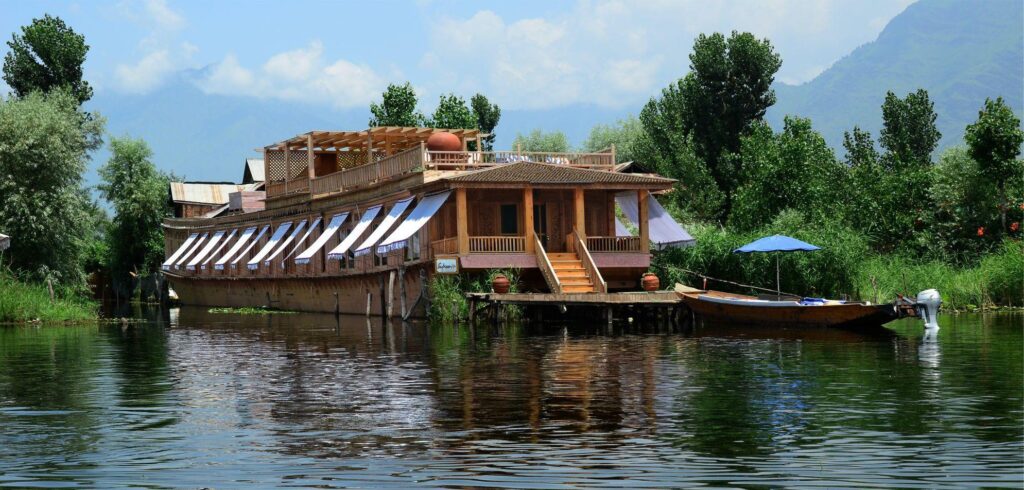
Arrive at Srinagar Airport, where the crisp air immediately refreshes you. Check into a houseboat on Dal Lake or Nigeen Lake for an authentic experience. Spend your afternoon exploring the Mughal Gardens—Nishat Bagh (Garden of Pleasure) and Shalimar Bagh (Abode of Love). These terraced gardens are a testament to Mughal architecture and horticulture.
In the evening, take a Shikara ride. It is the quintessential Kashmir experience. As you float past floating vegetable markets and lotus flowers, you will understand why poets have written odes to this city.
Day 2: Srinagar to Gulmarg – The Meadow of Flowers
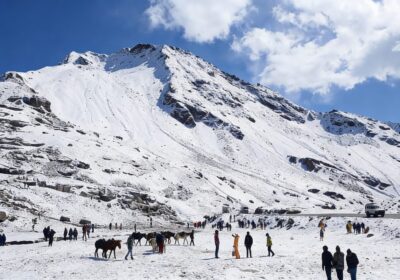
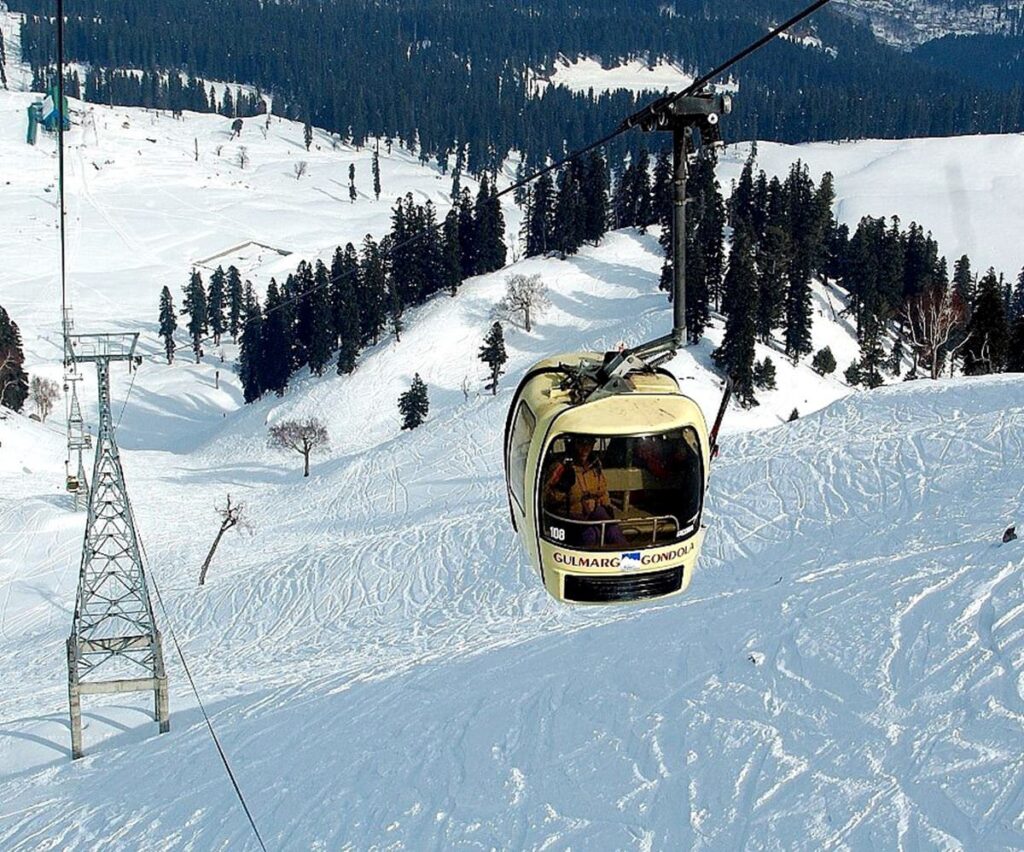
After breakfast, drive to Gulmarg (approx. 2 hours). The journey itself is scenic, with dense pine forests lining the road. Upon arrival, head straight for the Gondola cable car ride. It operates in two phases: Phase 1 takes you to Kongdori (mid-station), and Phase 2 goes to Apharwat Peak (13,400 ft). The views from the top are breathtaking, offering glimpses of the Line of Control (LOC) on clear days.
In winter, this place transforms into a skiing hub. In summer, you can enjoy pony rides and golf at the world’s highest 18-hole golf course. Root Indians members often recommend hiking down from Kongdori to absorb the beauty of the wildflowers.
Day 3: Gulmarg to Pahalgam – The Valley of Shepherds
Check out early and drive to Pahalgam (approx. 4-5 hours). The drive takes you through the stunning Pine Valley and past the saffron fields of Pampore. Stop at the ancient Awantipura Ruins, a temple complex dedicated to Lord Vishnu dating back to the 9th century.
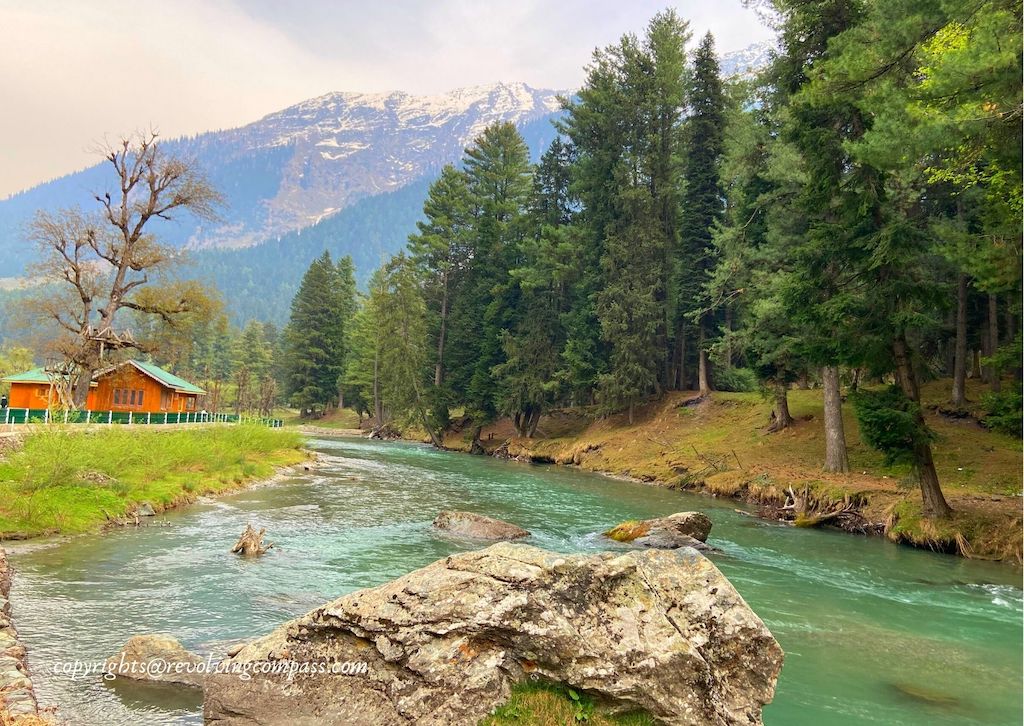
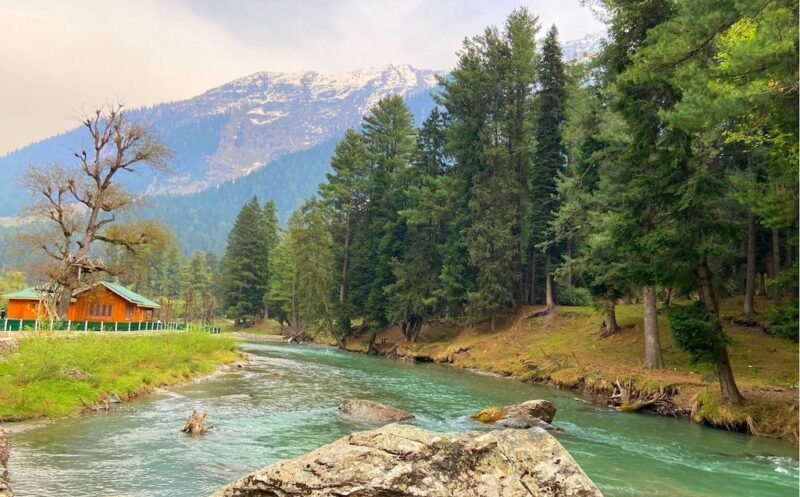
Upon reaching Pahalgam, check into your hotel and relax by the Lidder River. The sound of the rushing glacial water is incredibly therapeutic. In the evening, explore the local market for souvenirs.
Day 4: Exploring Pahalgam – Aru and Betaab
Pahalgam serves as the base camp for the Amarnath Yatra, but it offers much more for tourists. Hire a local taxi (taxis from outside are not allowed for local sightseeing here) to visit:
Betaab Valley: Named after the Bollywood movie Betaab, this valley is a lush paradise surrounded by snow-capped mountains.
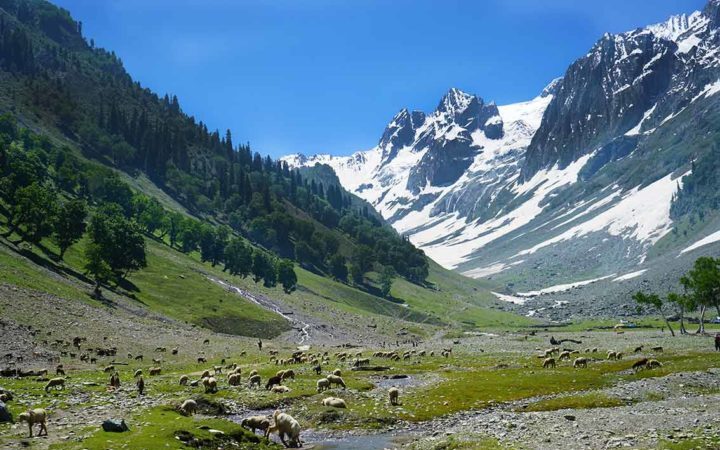
Aru Valley: A sleepy village known for its meadows and as a starting point for treks to Kolahoi Glacier. It offers some of the most serene landscapes in the region.
Chandanwari: Famous for snow sledging in summer and the starting point of the Amarnath cave trek.
Day 5: Return to Srinagar and Departure
Drive back to Srinagar. If time permits, visit the Shankaracharya Temple, located on a hilltop, offering a panoramic view of the city. You can also explore the Old City (Downtown) to see the historic Jama Masjid and the bustling bazaars. Shop for Pashmina shawls, papier-mâché boxes, and dried fruits before heading to the airport for your departure.
Best Places to Visit Kashmir
In Srinagar
Dal Lake & Nagin Lake — shikara rides, floating gardens, houseboats
Mughal Gardens — Nishat Bagh, Shalimar Bagh, Chashme Shahi
Shankaracharya Temple — hilltop temple with panoramic views
Hazratbal Shrine — a revered Muslim shrine on Dal Lake’s banks
Tulip Garden — Asia’s largest tulip garden (March–April)
Lal Chowk & Polo View Market — shopping and street food
In Gulmarg
Gulmarg Gondola — Phases 1 and 2 cable car to Apharwat Peak
Gulmarg Golf Course — one of the world’s highest golf courses
Baba Rishi Dargah — a peaceful Sufi shrine in the forest
Khilanmarg Meadow — a 6 km hike from Gulmarg town
Skiing slopes — beginners to expert runs in winter
In Pahalgam
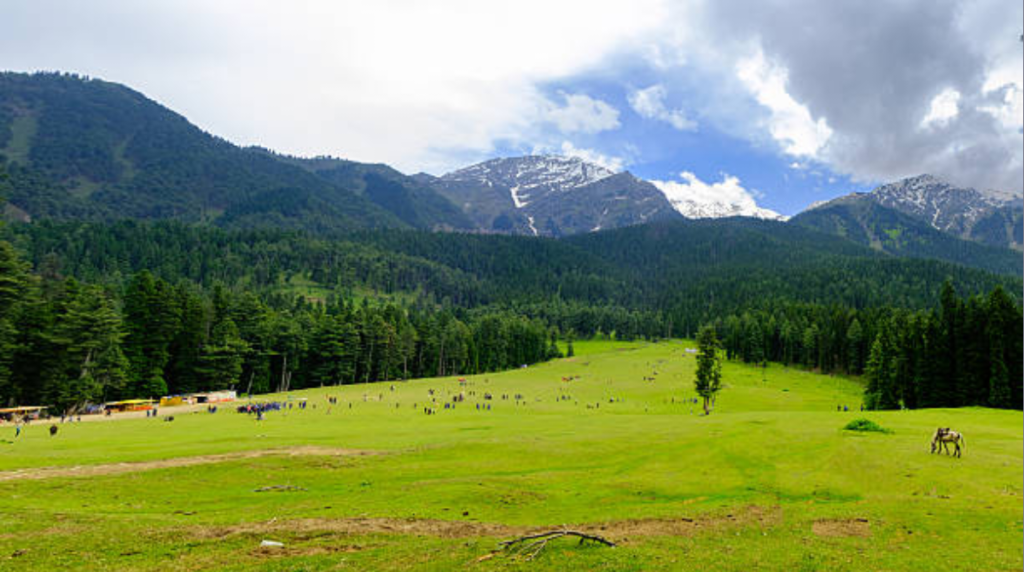
Betaab Valley — lush valley made famous by Bollywood
Aru Valley — idyllic meadows, 11 km from Pahalgam
Chandanwari — start of Amarnath Yatra, spectacular snow
Baisaran — the ‘Mini Switzerland of India’ accessible by pony
Lidder River — trout fishing and riverside walks
Best Time to Visit Kashmir
Summer (March to June): This is the peak season. The weather is pleasant (15°C to 30°C), the valleys are in full bloom, and the Tulip Garden in Srinagar is a riot of colors. It is the best time for family trips and sightseeing.
Monsoon/Autumn (July to October): While July sees some rainfall, September and October bring autumn. The Chinar trees turn gold and crimson, creating a mesmerizing landscape. This is the best time for photography and fewer crowds.
Winter (November to February): If you love snow, this is your window. Temperatures drop below freezing, turning Gulmarg into a premier skiing destination. The frozen lakes and snow-covered pines are magical.
Highlights of the Trip
- Shikara ride on the iconic Dal Lake at sunrise
- Asia’s largest Tulip Garden in full bloom (March–April)
- Gulmarg Gondola — ride to Apharwat Peak at 4,200m
- Betaab Valley and Aru Valley in Pahalgam
- Snow trekking and skiing in Gulmarg
- Saffron fields of Pampore in October
- Mughal Gardens: Nishat Bagh, Shalimar Bagh, Chashme Shahi
- Houseboat stay on Dal Lake — an unmissable experience
- Local Kashmiri Wazwan feast — a royal culinary tradition
- Sonmarg day trip from Srinagar — the Meadow of Gold
Food & Culture of Kashmir
Kashmiri Cuisine — The Royal Wazwan
The Wazwan is Kashmir’s ceremonial feast, traditionally comprising 36 dishes cooked overnight by a master chef called a Waza. Key dishes every Indian traveller must try:
Rogan Josh — slow-cooked lamb in a rich, aromatic red sauce
Yakhni — lamb in yoghurt-based gravy, delicate and fragrant
Gushtaba — meatballs cooked in curd sauce; the ‘king’ of Wazwan
Dum Aloo — baby potatoes in Kashmiri spices, perfect for vegetarians
Kashmiri Pulao — rice with dried fruits, saffron, and whole spices
Shab Deg — turnips and meat slow-cooked overnight
Kahwa — green tea brewed with saffron, cardamom, and almonds; the soul of Kashmir
Sheer Chai (Noon Chai) — pink salty tea, an acquired taste beloved by locals
Most restaurants in Srinagar, Gulmarg, and Pahalgam cater well to vegetarian travellers from South India and Gujarat. Famous eateries include Ahdoos Restaurant and Mughal Darbar in Srinagar.
Culture & Etiquette
Kashmir is a deeply spiritual and conservative region. Dress modestly, especially when visiting dargahs and mosques. Friday afternoons see restricted movement near shrines. Interact respectfully with locals — Kashmiris are famously warm and hospitable. Learn a few words of Kashmiri (like Shukriya for thank you) and you will instantly win smiles. Bargaining is expected in the bazaars but do it with good humour.
Why Choose Root Indians for Your Kashmir Trip?
Deep Local Expertise: Root Indians specializes in Indian destinations
Trusted by Indian Families: Thousands of families from cities like Pune, Mumbai, Delhi, Hyderabad, and Chennai have trusted Root Indians for their Kashmir holidays.
Customized Itineraries: Root Indians crafts personalized Srinagar–Gulmarg–Pahalgam itineraries based on your group size, budget, travel dates, and interests — whether you are a honeymooner, family, or solo traveller.
Transportation: All transfers and sightseeing by Private AC Vehicle with an Experienced Local Driver-cum-Guide
Handpicked Stays: From heritage houseboats on Dal Lake to cozy guesthouses in Pahalgam, Root Indians curates only verified, quality-checked accommodations
Best Value for Money: Transparent pricing with no hidden charges.
End-to-End Support: Airport pickup, local cab arrangements, houseboat check-in, Gondola bookings, valley excursions — everything is handled so you travel stress-free.
24/7 On-Ground Assistance: Root Indians provides round-the-clock support throughout your trip.
For more information visit our website www.rootindians.com or contact on +91 78777 38437 For Customized itinerary.
Frequently Asked Questions (FAQs)
Q: Is Kashmir safe for Indian tourists?
A: Yes, Kashmir is generally safe for tourists, especially in the main tourist areas of Srinagar, Gulmarg, and Pahalgam. Millions of Indian tourists visit every year. It is advisable to check travel advisories before your trip and avoid border areas. Local authorities are very supportive of tourism.
Q: Do I need a special permit to visit Kashmir?
A: No special permit is required for Indian citizens to visit Kashmir. You just need a valid government ID. However, certain restricted areas near the Line of Control require permits — these are not part of the standard tourist circuit.
Q: How do I get from Srinagar airport to Dal Lake?
A: Taxis are readily available outside the airport. The drive to Dal Lake takes about 20–30 minutes depending on traffic. The standard fare is around ₹500–₹700 for the one-way trip. Pre-booked hotel taxis are also common.
Q: What is the best way to book a houseboat?
A: Book through verified agents or reputed online travel portals. Avoid touts at the airport. Category A and Deluxe houseboats offer modern amenities while maintaining traditional Kashmiri wood-carved interiors. Always confirm the category and location before booking.
Q: What clothes should I pack for Kashmir?
A: Pack layers regardless of the season. Even in summer, evenings in Gulmarg and Pahalgam can be very cold. In winter, heavy woolens, thermal inners, gloves, and waterproof boots are essential. Light woolens are ideal for spring and autumn.
Q: Can vegetarians eat well in Kashmir?
A: Absolutely. While Kashmiri cuisine is famous for its meat dishes, most restaurants serve vegetarian options including Dum Aloo, Kashmiri Pulao, and various dal preparations. Vegetarian South Indian food is available in Srinagar.
Q: Is it worth visiting Gulmarg in summer vs winter?
A: Both seasons offer entirely different experiences. Summer is great for meadow walks, golf, and the Gondola ride with mountain views. Winter is ideal for skiing, snowboarding, and snow photography. If you want both worlds, plan a trip in November when light snowfall begins but the roads are still accessib
Q: Is Kashmir safe for Indian tourists in 2026?
A: Yes, Kashmir is safe for Indian tourists, especially in Srinagar, Gulmarg, and Pahalgam. The tourism infrastructure is well-developed and millions of Indians visit every year without any issues.Our drivers are local residents who provide real-time safety updates and ensure you stay within the verified tourist circuits.