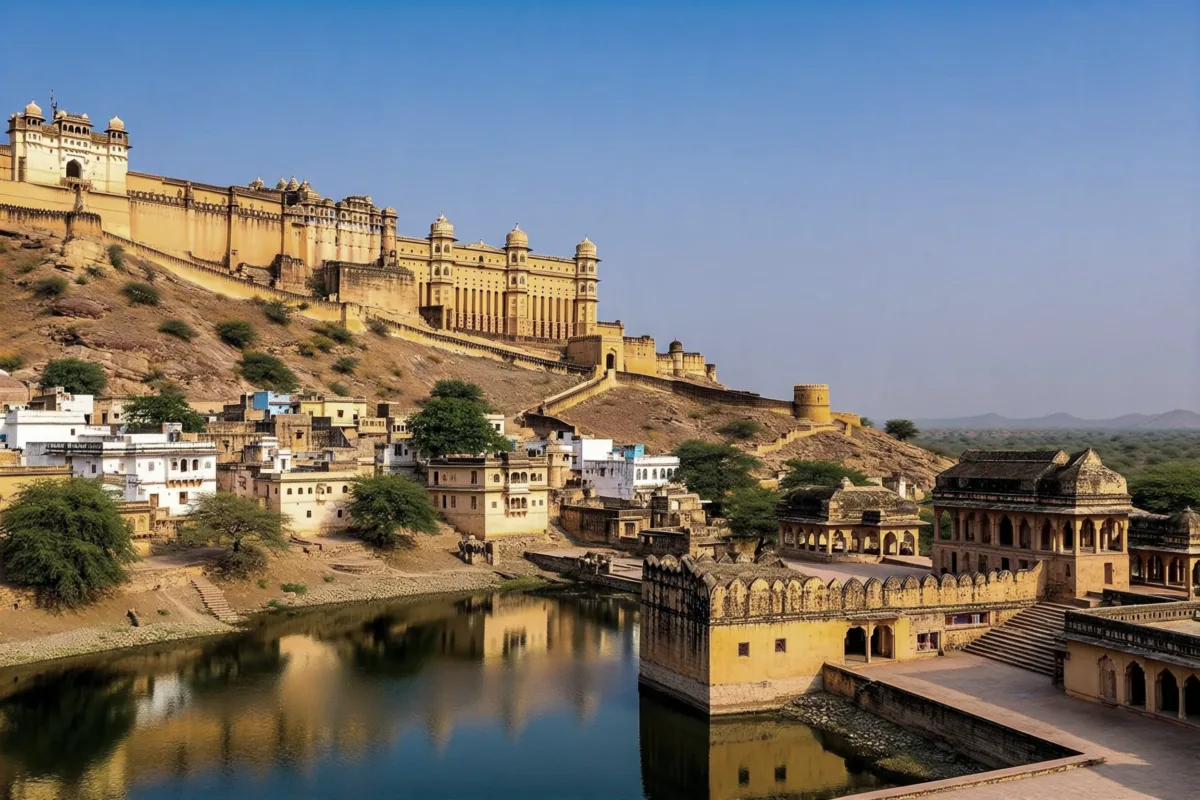
Your Ultimate Guide to Rajasthan Tour Packages with Root Indians

Table of Contents


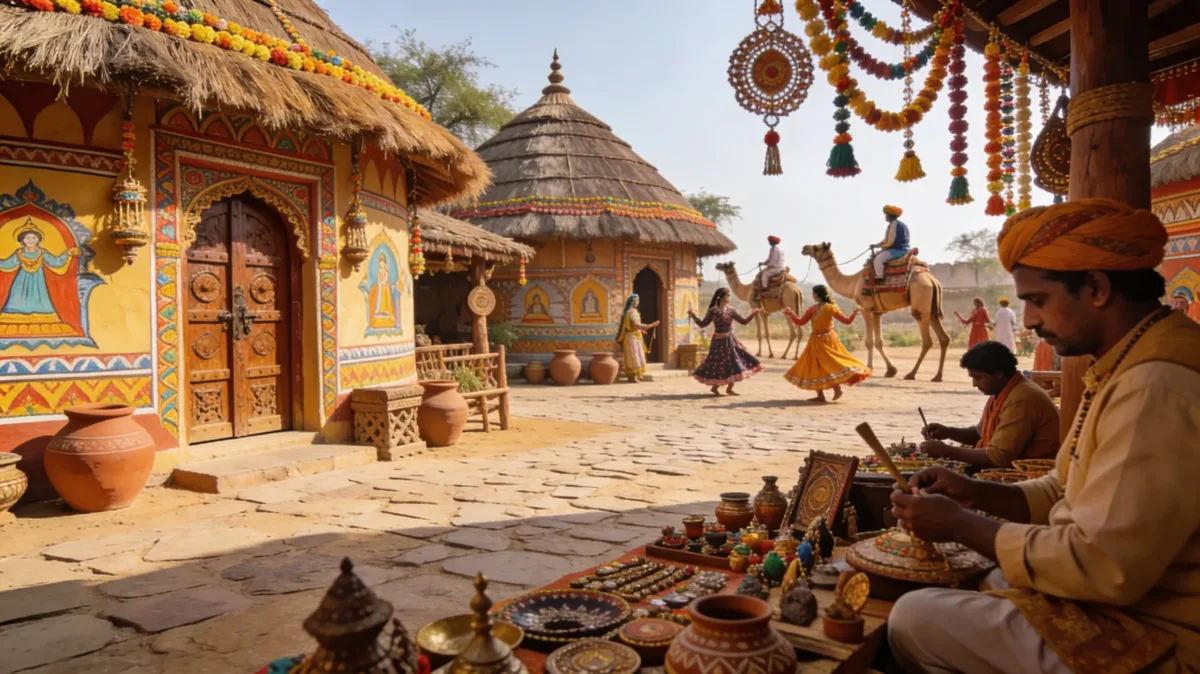
Rajasthan is the land of kings and one of the most India’s popular travel destinations. Rajasthan is known for the royal heritage, colorful culture and the golden deserts. Rajasthan Tour packages offer travelers a chance to explore majestic forts, historic places, vibrant market and traditional experiences. Whether you are planning to short holiday or a long trip vacation from your routine life, then Rajasthan tour packages India are the most suitable for families, couples, and group travelers.

Our Rajasthan tour and travel packages are designed to covers the most iconic destinations, including Jaipur, Jodhpur, Udaipur, and Jaisalmer. Jaisalmer, also known as the Golden City, plays a key role in every Rajasthan trip package, owing to its desert safari, sandstone architecture, and cultural charm.

Experience the magic of Rajasthan Tour Packages from Jaipur

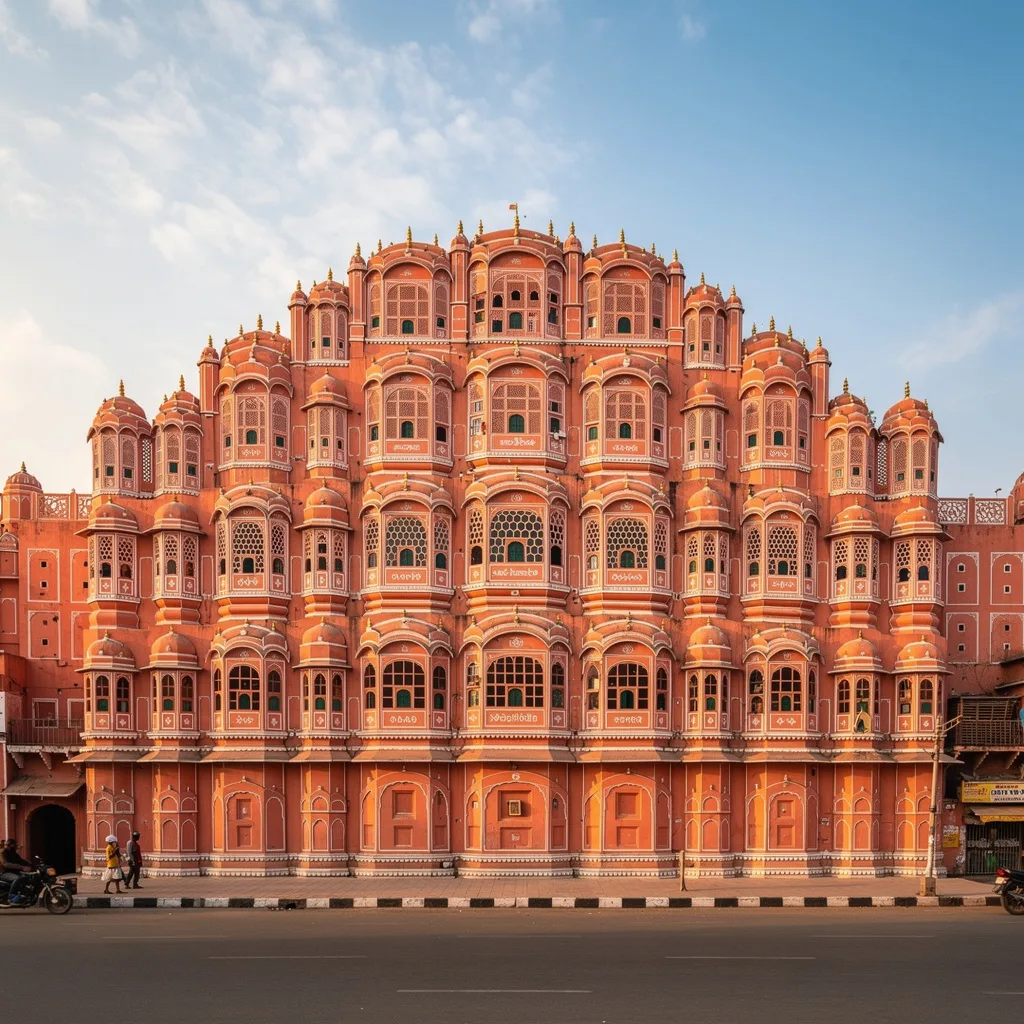
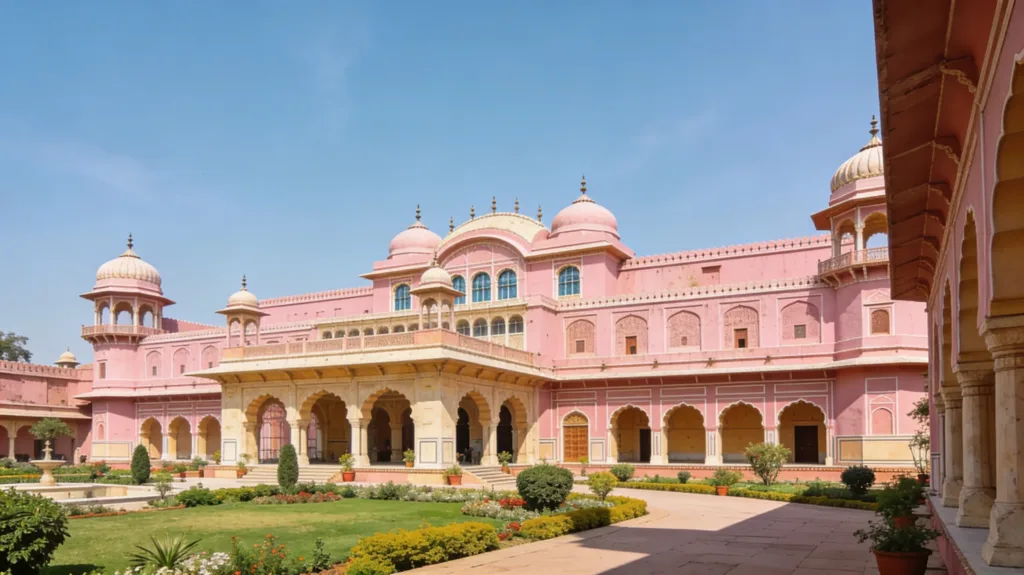
Jaipur is the starting point for most of the Rajasthan Holiday Packages from Jaipur. The city is  well-connected by rail, road, and air making it convenient for travelers. From the Pink city Jaipur  sightseeing includes is Amber fort and City Palace, Hawa Mahal and local bazaar before heading to blue city Jodhpur and  Jaisalmer, every place promises to provide magical memories with  Root Indians.

Complete Rajasthan Vacation Packages and Ultimate Desert Safari (10 Days/9 Nights)

For the ultimate adventurer, these Rajasthan vacation packages cover heritage, culture, and the thrill of adventure with the desert.

Day 1-2: Jaipur:  Arrive in the Pink City and visit the Amber Fort, City Palace, Hawa Mahal, and Johari  Bazaar.

Day 3-4: Bikaner: Depart to the desert to visit the Junagarh Fort and the popular Karni Mata Temple.

Day 5-6: Jaisalmer: This is the land of the Golden City. You must visit Jaisalmer Fort and Patwon Ki Haveli and watch a sunset at the Sam Sand Dunes on a camel safari and experience a desert night at a desert camp

Day 7-8: Jodhpur: A journey back through the desert to the famous Blue City of Rajasthan.

Day 9-10: Udaipur: Complete your grand tour at the Venice of the East before your departure

What’s Include in a Rajasthan Travel Packages?

To ensure a hassle-free journey, our packages normally include:

Accommodation : We offer Heritage Hotels, budget stays, and luxury resorts based on your preferences and budget.
Transportation: Choose from private cars, tempo travelers, or luxury coaches from your trip to  Rajasthan travel packages.
Sightseeing – Visits to important monuments and attractions with a guide.
Meals: Daily Breakfast is included with option for more.

Best Time to Plan Your Trip to Rajasthan, India.

The right time to visit this beautiful state in India would be during the winter season, between October to March, as the climate remains cold and pleasant, perfect for sightseeing and desert safaris. The summer months between April and June remain extremely dry and hot, while the monsoon rains occur during July and September with an added bonus of greenery!

Attractions Covered (Major)

The iconic attractions that a Rajasthan Jaisalmer tour package would cover are Amber Fort, Mehrangarh Fort, Jaisalmer Fort, Patwon Ki Haveli, Sam Sand Dunes, and local cultural shows. These are the destinations that make every trip to Rajasthan package memorable.

The Most Famous Dishes Of Rajasthan:

  • Jodhpur: Laal Maas, Pyaz Kachori, Mirchi Bada, Mawa Kachori, Mirchi Bada.
  • Jaipur: Dal Baati Churma, Ghewar, Lassi, Malpua, Kachori.
  • Bikaner: Famous Papads, Bhujia – savory snack, Rasgullas – though disputed origin, Bajre ki Roti.
  • Udaipur: Traditionally rich-game-based cuisine, Gujarati influences abounded-Saalak, Soolar Maas.

Why Choose Root Indians?

Root Indians offers fully customized Rajasthan holiday packages that can be modified to fit almost anyone’s preference. These holiday packages offer flexibility in terms of itinerary, hotels, guided sightseeing, and pricing that is always transparent. We make sure that every vacationer will have a great time with any of the Rajasthan vacation packages-from family tours to romantic getaways.

Plan your next Rajasthan adventure with Root Indians. Reach out today to customize your Royal Rajasthan journey.

Discover India’s Golden Triangle with Root Indians

Golden Triangle Tour

Discover India’s Golden Triangle Tour with Root Indians

The Golden Triangle is India’s most iconic travel circuit connecting Delhi, Agra, and Jaipur. This classic route brings together history, culture, architecture, food, and vibrant experiences — making it the perfect trip for first-time travellers. At Root Indians, we create personalized and memorable journeys through this beautiful region with comfort, local expertise, and Instagram-worthy experiences.

What is the Golden Triangle?

The Golden Triangle Tour forms a triangular route on the map, connecting the three most iconic cities of North India — Delhi, Agra, and Jaipur. This classic Delhi–Agra–Jaipur tour covers around 720 km and is considered one of the easiest, safest, and most convenient itineraries for travellers. Whether you're exploring India for the first time or planning a cultural getaway, the Golden Triangle Tour offers the perfect mix of heritage, history, local experiences, and Instagram-worthy moments. Each city offers something unique — Delhi blends Mughal monuments with modern city vibes, Agra showcases world-famous attractions like the Taj Mahal, and Jaipur highlights the royal Rajputana heritage. With Root Indians, you get a customised Golden Triangle travel package designed for families, couples, solo travellers, and even photography lovers, ensuring a smooth, comfortable, and unforgettable journey. This is why the Golden Triangle Tour remains one of the most popular and best-selling India tour packages for both domestic and international tourists.

Highlights of the Golden Triangle

Delhi – A Blend of Old & New

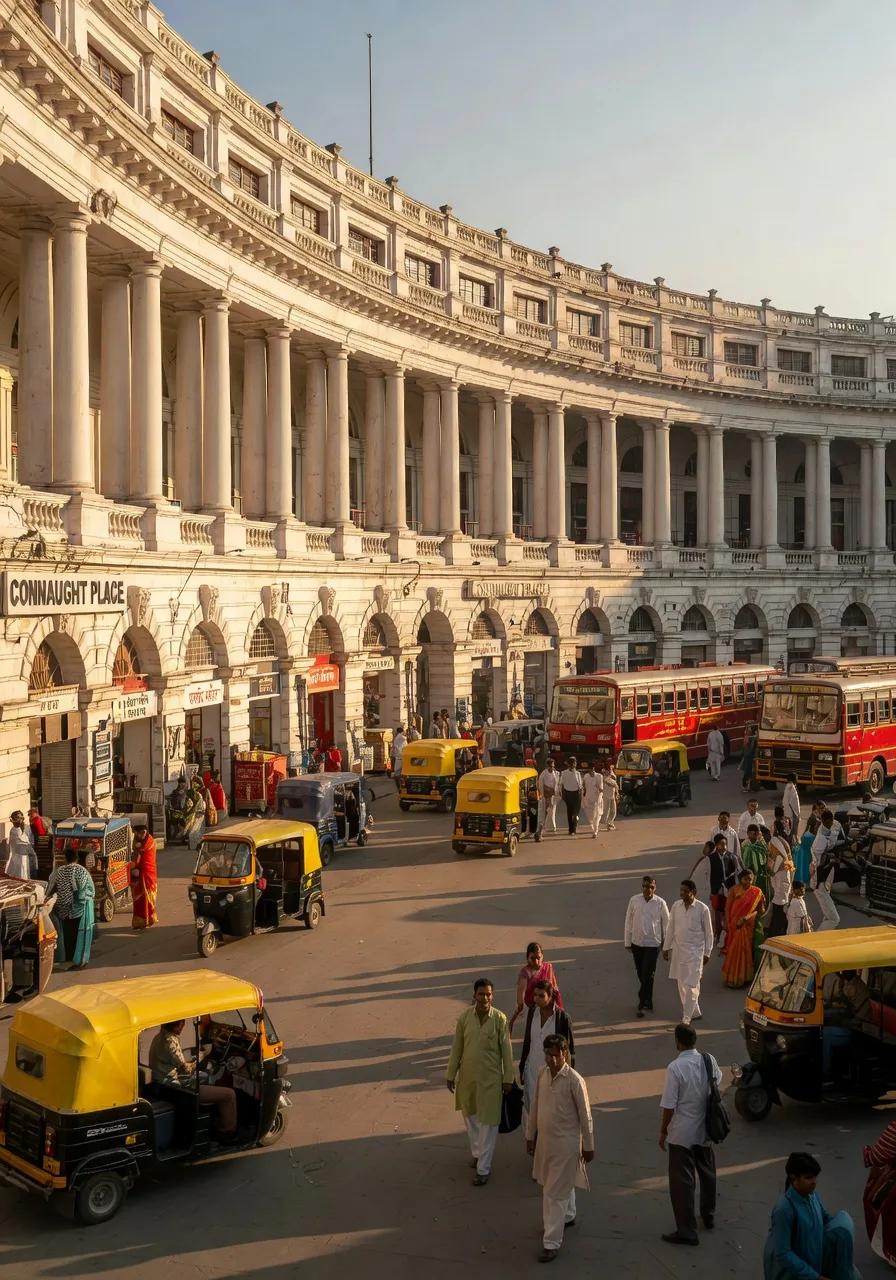
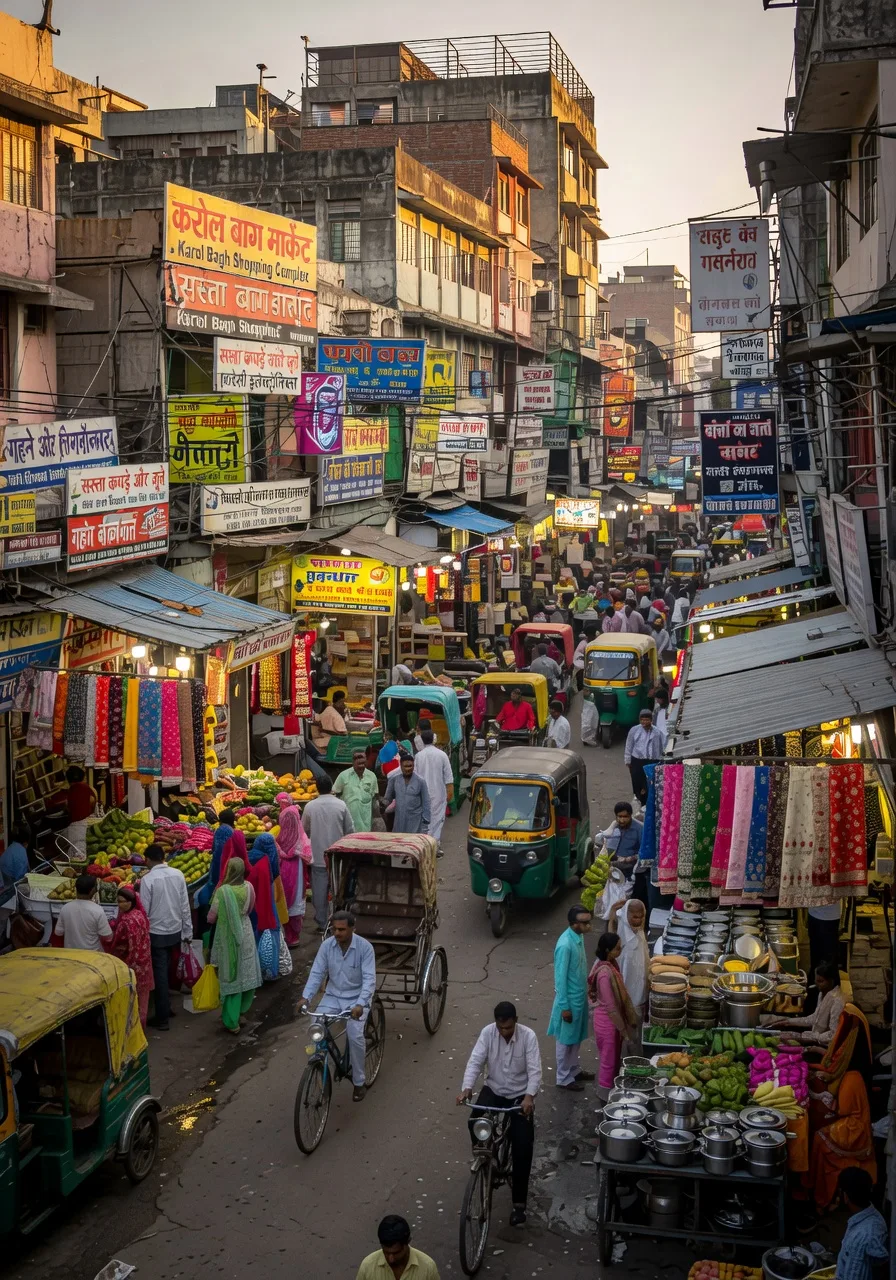
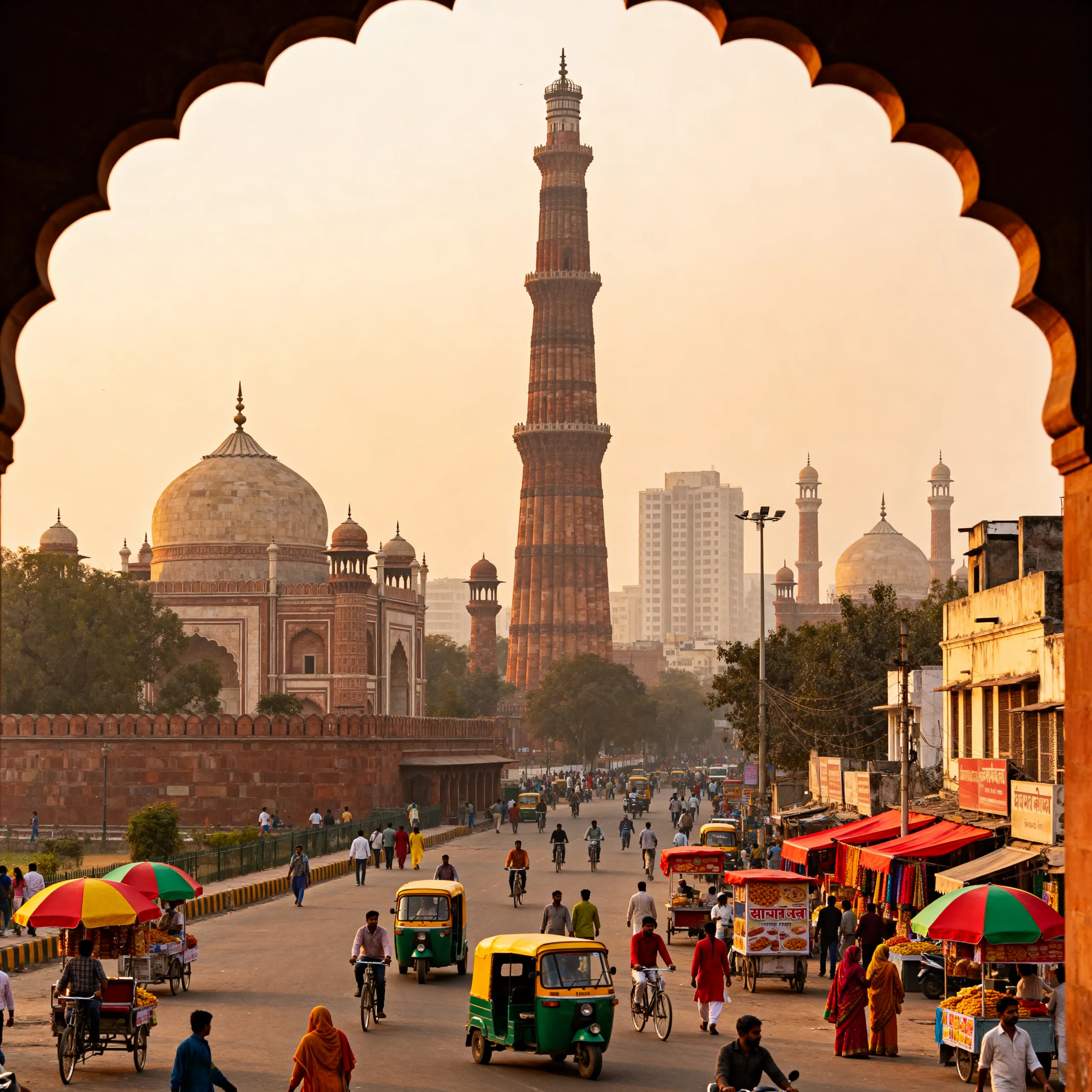
Explore India’s capital city filled with historical monuments, bustling markets, and rich flavours. From India Gate and Qutub Minar to Old Delhi’s street food lanes, Delhi offers a perfect mix of heritage and modernity

Agra – Home of the Taj Mahal

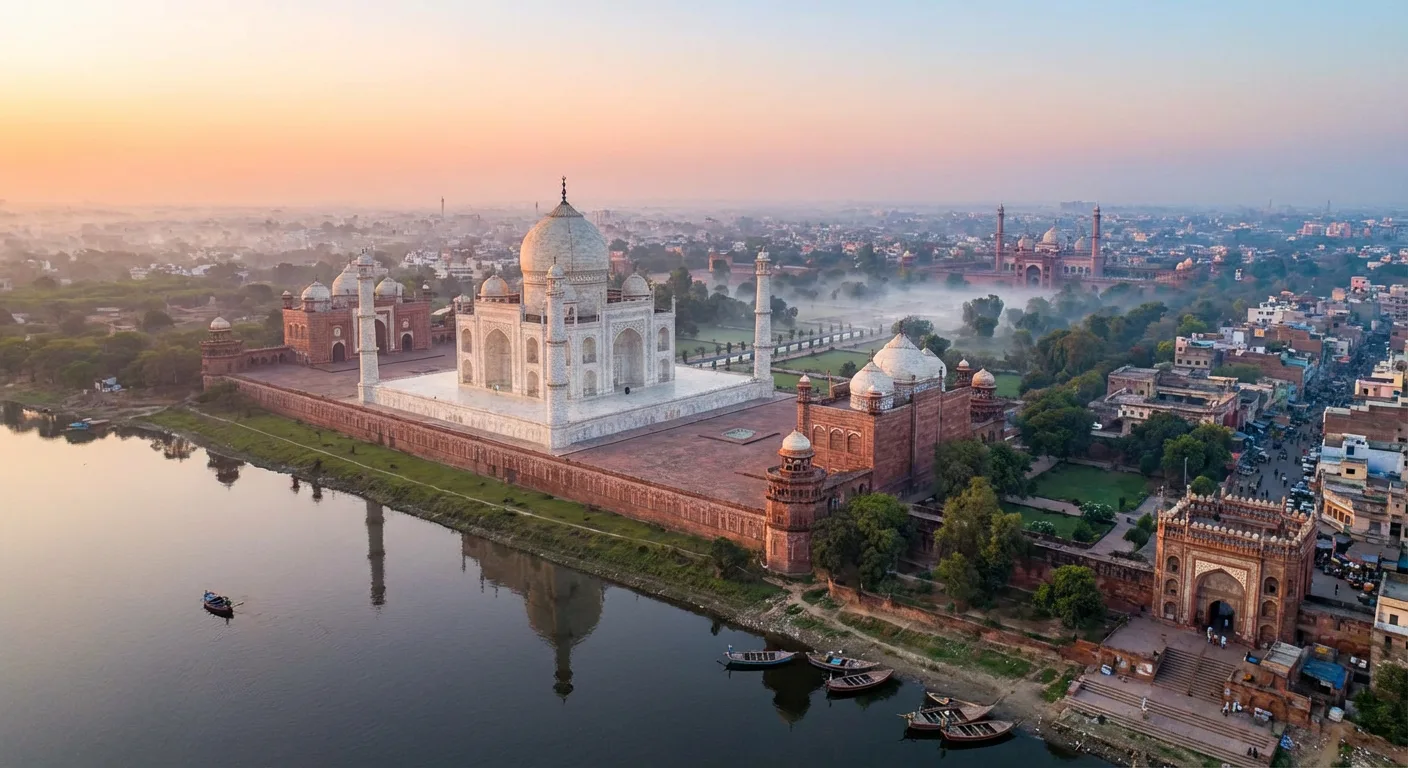
Agra is world-famous for the Taj Mahal, one of the Seven Wonders of the World. Experience the breathtaking sunrise at the Taj, visit Agra Fort, and explore the Mughal legacy still alive in the city’s culture and architecture.

Jaipur – The Pink City of Rajasthan

Jaipur welcomes you with royal palaces, majestic forts, traditional bazaars, and colourful local life. Visit Amer Fort, Hawa Mahal, City Palace, and experience the true essence of Rajasthan with Root Indians’ local expertise.

Why Choose Root Indians for the Golden Triangle?

Root Indians stands out from typical travel agencies by offering:

  • Customized packages based on your travel style (family, couple, luxury, budget, photography).
  • Local Jaipur advantage — access to hidden gems, authentic food spots, and unique experiences.
  • Comfort-first travel with verified hotels, smooth transport, and personalized support.
  • Instagram-friendly experiences for travellers who want perfect shots at the Taj, Amer Fort, and Delhi streets.
  • Transparent pricing and flexible itineraries that competitors often lack.

Best Time to Visit the Golden Triangle

The best time to visit the Golden Triangle is from October to April when the weather is pleasant. Avoid peak summer months (May–June) due to high temperatures.

Suggested Itinerary (4–6 Days)

Day 1–2: Delhi

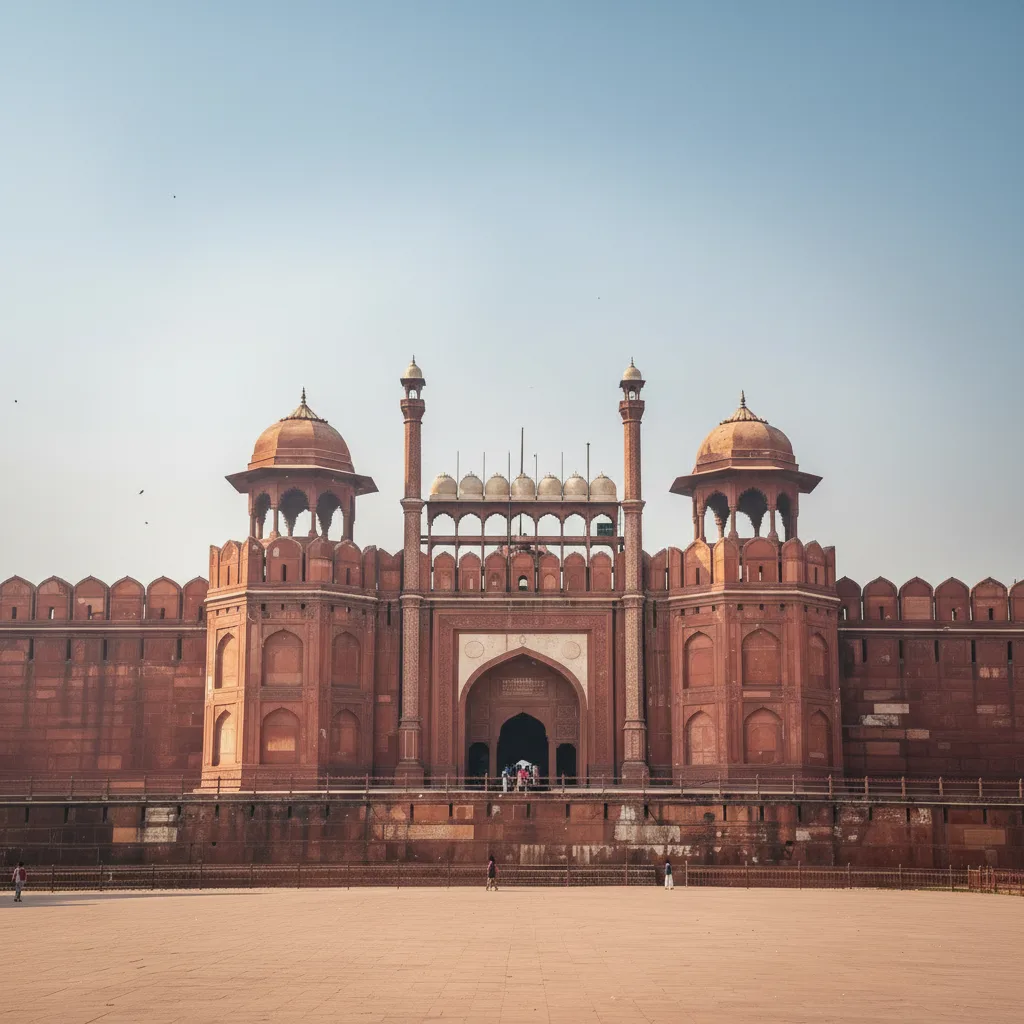
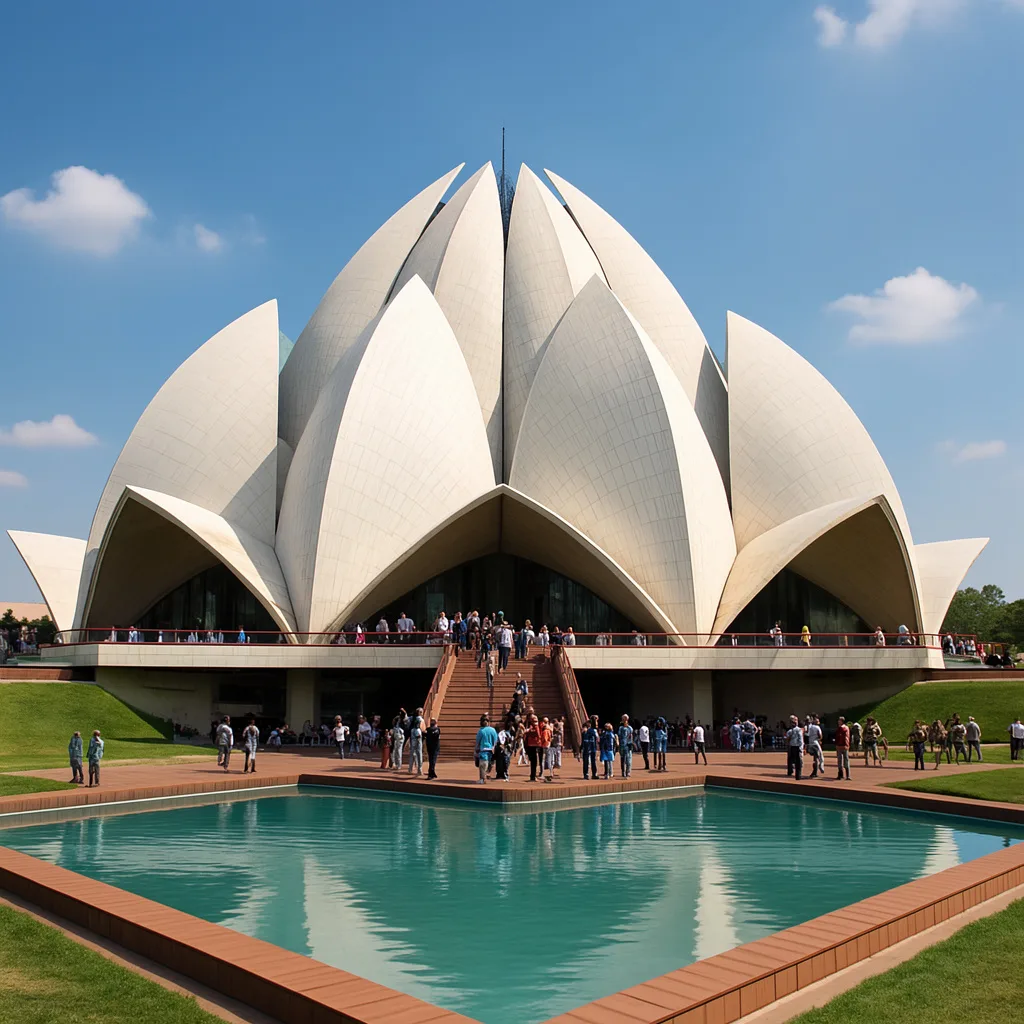
Explore Red Fort, Humayun’s Tomb, India Gate, Lotus Temple, and Old Delhi markets. Try local foods and capture vibrant street life.

Day 3: Agra

Visit the Taj Mahal at sunrise, explore Agra Fort, Mehtab Bagh, and enjoy Mughlai cuisine.

Day 4–6: Jaipur

Cover Amer Fort, Hawa Mahal, Jantar Mantar, City Palace, Nahargarh Fort, and local bazaars. Discover traditional handicrafts, jewellery, and Rajasthani culture.

Travel Tips for Golden Triangle Visitors

  • Carry comfortable clothing and shoes for long walks.
  • Start early for the Taj Mahal to avoid crowds.
  • Hire licensed guides for better historical understanding.
  • Stay hydrated and keep essentials like sunscreen and power bank.
  • Respect local customs and be mindful in heritage sites.

Conclusion

The Golden Triangle offers an unforgettable journey through India’s culture, history, and royal heritage. With Root Indians, you get a travel experience that blends comfort, authenticity, and personal attention. Whether you’re a first-time traveller or looking for a curated experience, we’re here to plan the perfect Golden Triangle tour for you.

Ready to explore? Contact Root Indians today and customize your Golden Triangle itinerary!

Top 10 Tourist Places in Amritsar

Top 10 Tourist Places in Amritsar – Complete Travel Guide 2025

Top 10 Tourist Places in Amritsar


Amritsar, the cultural capital of Punjab, is one of India’s most vibrant and spiritual cities. Famous worldwide for the iconic Golden Temple, this city is not only a spiritual hub for Sikhs but also a living testimony of India’s rich history, patriotism, and culinary delights.

From sacred shrines to historical landmarks, bustling bazaars to mouth-watering food – Amritsar has everything to make your journey unforgettable.

If you are planning a trip to Punjab, here’s a detailed travel guide to the Top 10 Tourist Places in Amritsar that every traveler must visit.

1. Golden Temple (Sri Harmandir Sahib)

10 tourist places in Amritsar

The Golden Temple, also known as Sri Harmandir Sahib, is the most iconic attraction in Amritsar. It is the holiest shrine of Sikhism and attracts millions of devotees and tourists every year.

  • Highlights:
    • The shimmering golden architecture surrounded by the Amrit Sarovar (holy tank).
    • The soulful Gurbani hymns filling the atmosphere with peace.
    • The world’s largest community kitchen (Langar), serving free meals to thousands daily.
  • Best Experience:
    Visit early in the morning during the Palki Sahib ceremony or late at night when the temple glows beautifully in golden lights reflecting in the water.
  • Timings: Open 24 hours
  • Entry Fee: Free
  • Travel Tip: Cover your head, remove shoes, and wash your feet before entering.

2. Jallianwala Bagh

10 tourist places in Amritsar

A short walk from the Golden Temple lies Jallianwala Bagh, a historical site that witnessed the tragic massacre of 1919, where hundreds of innocent Indians lost their lives during British rule.

  • Highlights:
    • The Martyrs’ Memorial built in memory of those who died.
    • The bullet marks still visible on the walls.
    • The eternal flame honoring the victims.
  • Why Visit:
    It’s a place of reflection and remembrance, showcasing India’s struggle for freedom.
  • Timings: 6:30 am – 7:30 pm
  • Entry Fee: Free

3. Wagah Border

The Wagah Border Ceremony is one of the most patriotic and energetic experiences in Amritsar. Situated about 30 km from the city, this is the only road crossing between India and Pakistan.

  • Highlights:
    • The famous Beating Retreat Ceremony held every evening.
    • Energetic parade by soldiers of both nations.
    • Slogans, cheers, and a festive atmosphere filled with patriotism.
  • Timings: Ceremony starts around 4:15 pm
  • Entry Fee: Free (carry valid ID proof)
  • Travel Tip: Arrive early to secure good seats as the crowd is usually very large.

4. Partition Museum

Dedicated to the 1947 Partition of India, the Partition Museum is a one-of-a-kind place where you can witness the untold stories of pain, migration, and survival.

  • Highlights:
    • Personal belongings, photographs, and letters of partition survivors.
    • Rare archival documents and oral histories.
    • Exhibits showcasing the largest mass migration in human history.
  • Timings: 10 am – 6 pm (Closed on Mondays)
  • Entry Fee: ₹10 (Indians), ₹250 (Foreigners)
  • Best For: History enthusiasts, researchers, and students.

5. Gobindgarh Fort

The Gobindgarh Fort is a historic fortress that dates back to the 18th century. Once controlled by Maharaja Ranjit Singh, this fort is now a vibrant cultural hub.

  • Highlights:
    • Light & Sound Show narrating Punjab’s history.
    • Live cultural performances including Bhangra and Gidda.
    • 7D Show “Sher-e-Punjab” about Maharaja Ranjit Singh.
    • Traditional Punjabi food stalls and handicraft shops.
  • Timings: 10 am – 10 pm
  • Entry Fee: ₹25 – ₹180 (depends on package)

6. Durgiana Temple

Resembling the Golden Temple in its architecture, the Durgiana Temple is a sacred Hindu temple dedicated to Goddess Durga.

  • Highlights:
    • Golden dome and marble walls reflecting beautifully in the water tank.
    • Peaceful religious atmosphere.
    • Major celebrations during Navratri and Diwali.
  • Timings: 5 am – 9 pm
  • Entry Fee: Free

7. Maharaja Ranjit Singh Museum

This museum celebrates the legacy of Maharaja Ranjit Singh, the great Sikh ruler of Punjab.

  • Highlights:
    • A rich collection of weapons, armor, and coins.
    • Paintings depicting Sikh history and battles.
    • Artefacts showcasing the life of Maharaja Ranjit Singh.
  • Location: Inside Company Bagh
  • Timings: 10 am – 5 pm (Closed on Mondays)
  • Entry Fee: ₹10 (Indians), ₹40 (Foreigners)

8. Hall Bazaar

For shopping enthusiasts, Hall Bazaar is one of the oldest markets in Amritsar.

  • What to Buy:
    • Phulkari dupattas, Punjabi juttis, and traditional handicrafts.
    • Famous Amritsari papad, wadiyan, and spices.
    • Local street food including kulchas and jalebis.
  • Travel Tip: Bargaining is a must for the best deals!

9. Khalsa College

Founded in 1892, Khalsa College is an architectural marvel and a premier educational institution in Amritsar.

  • Highlights:
    • Impressive Indo-Saracenic architecture.
    • Red sandstone structure surrounded by lush green lawns.
    • A great spot for photography lovers.
  • Entry Fee: Free (visitors allowed in the campus)

10. Ram Tirath Ashram

The Ram Tirath Ashram is a sacred Hindu site believed to be the ashram of Maharishi Valmiki, where the sons of Lord Rama – Luv and Kush – were born.

  • Highlights:
    • A large temple and a holy tank.
    • Peaceful spiritual atmosphere.
    • Strong connection with Hindu mythology.
  • Best Time to Visit: Early morning or during sunset.

Bonus Experiences in Amritsar

Apart from these top 10 attractions, here are some bonus experiences to enrich your Amritsar trip:

  • Amritsari Kulcha & Lassi – A foodie’s paradise.
  • Heritage Walk – Explore the narrow lanes, havelis, and old bazaars.
  • Guru Ke Mahal – Historic residence of Sikh Gurus.

Best Time to Visit Amritsar

  • October to March: Pleasant weather, ideal for sightseeing.
  • April to June: Hot, but fewer crowds.
  • July to September: Monsoon brings greenery but occasional rains.

Travel Tips for Amritsar

  • Always cover your head and dress modestly at religious places.
  • Arrive early at Wagah Border for good seats.
  • Try local food, but choose hygienic stalls.
  • Use auto-rickshaws or cycle-rickshaws for local transport.

FAQs About Amritsar Tourism

Q1. What is the most famous tourist place in Amritsar?
Ans: The Golden Temple is the most iconic and popular attraction.

Q2. How many days are enough for Amritsar?
Ans: A 2–3 day trip is perfect to explore the top attractions.

Q3. Where can I shop in Amritsar?
Ans: Hall Bazaar and Katra Jaimal Singh Market are the best spots.

Q4. What food is Amritsar famous for?
Ans: Amritsari Kulcha, Sarson da Saag with Makki di Roti, and Lassi.

Conclusion

Amritsar is not just a city – it’s an experience filled with spirituality, history, culture, and mouthwatering cuisine. Whether you seek peace at the Golden Temple, patriotism at the Wagah Border, or a taste of Punjab at the bustling bazaars, this city has something for everyone.

At Root Indian, we offer the best Amritsar tour packages to make your journey smooth, comfortable, and unforgettable. So, pack your bags and get ready to discover the soulful charm of Amritsar!

other informmation visit here :- www.rootindians.com

follow us instagram page https://www.instagram.com/rootindians/

like – https://www.facebook.com/profile.php?id=61576165336589

Kedarnath Tourist Package – Complete Guide for Your Spiritual Journey

Kedarnath Tourist Package

Kedarnath Tourist Package – Complete Guide for Your Spiritual Journey

1. Importance of Kedarnath Dham

Kedarnath Tourist Package – Complete Guide for Your Spiritual Journey

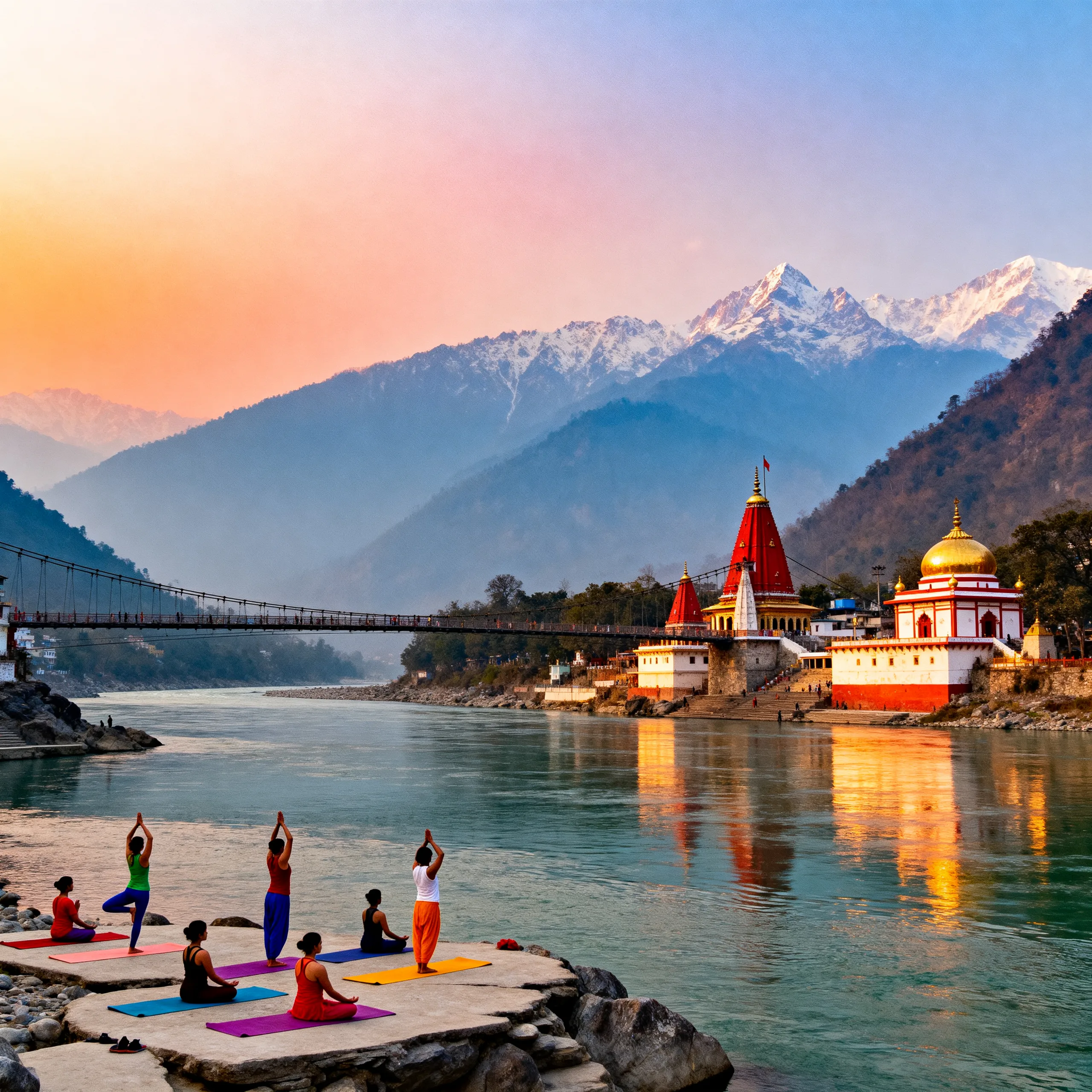
Kedarnath is not just a temple, it is one of the holiest pilgrimage sites for Hindus and one of the twelve Jyotirlingas of Lord Shiva. Located at an altitude of about 11,755 feet in Uttarakhand’s Rudraprayag district, the temple stands amidst snow-capped Himalayan peaks and the Mandakini river. Pilgrims believe that a visit here cleanses the soul and brings spiritual peace.

2. Why Choose a Kedarnath Tourist Package?

The Kedarnath journey is challenging due to high altitude, unpredictable weather, and limited facilities. A Kedarnath Tourist Package ensures:

  • Well-planned itinerary

  • Accommodation and meals included

  • Transport arrangements

  • Guided assistance during trekking

  • Options for VIP darshan or helicopter services
    In short, a package makes your journey safe, convenient, and cost-effective.

3. Types of Kedarnath Tourist Packages

  • Budget Packages: Affordable stays (dharamshalas/guesthouses), road transport, basic meals, and 3-4 days itinerary.

  • Luxury Packages: Premium hotels, private cab services, helicopter rides, VIP darshan, and multiple meal options.

  • Helicopter Packages: Specially designed for those with time limitations or senior citizens; provides same-day return options from places like Phata, Guptkashi, or Dehradun.

  • Customized Packages: Tailor-made as per your preference; can be combined with Char Dham Yatra (Badrinath, Gangotri, Yamunotri).

4. What’s Included in a Kedarnath Tourist Package?

A good package usually covers:

  • Stay (hotel, guesthouse, or dharamshala)

  • Meals (breakfast and dinner)

  • Transport (bus/taxi/jeep transfers)

  • Trekking or pony/palki arrangements

  • Guide support

  • Helicopter tickets (if opted for)

5. Best Time to Visit Kedarnath

  • May to June: Pleasant weather, best for families and first-time visitors.

  • September to October: Clear skies after monsoon, fewer crowds, and stunning scenic views.

  • July to August: Rainy season, landslides, and roadblocks can make travel risky.

6. Estimated Cost of Kedarnath Tourist Packages

  • Budget Packages: ₹7,000 – ₹12,000 per person

  • Luxury Packages: ₹20,000 – ₹35,000 per person

  • Helicopter Packages: ₹3,500 – ₹8,500 (one-way/round trip depending on sector)

  • Char Dham Packages: ₹45,000 – ₹75,000 per person
    (Note: Prices vary depending on season, facilities, and duration of stay.)

7. Sample Kedarnath Tour Itinerary

  • Day 1: Delhi/Dehradun to Haridwar/Rudraprayag – Evening Ganga Aarti at Haridwar, overnight stay.

  • Day 2: Rudraprayag to Guptkashi/Sonprayag – Scenic drive through mountains, overnight stay.

  • Day 3: Sonprayag to Kedarnath – 16-18 km trek (pony/palki available), temple darshan, overnight stay.

  • Day 4: Return Journey – Back to Haridwar with memories of a lifetime.

8. Travel Tips for Kedarnath Yatra

  1. Carry warm clothes, rain gear, and comfortable trekking shoes.

  2. Stay hydrated and avoid overexertion due to high altitude.

  3. Book helicopter tickets and hotels well in advance.

  4. Avoid travel during heavy monsoons.

  5. Keep basic medicines and a first-aid kit handy.

9. How to Book a Kedarnath Tourist Package?

Booking can be done easily online through trusted travel agencies or portals. Before booking, always check:

  • Reviews and ratings of the travel company

  • Whether meals, accommodation, and transport are included

  • Cancellation and refund policies

  • Availability of add-ons like VIP darshan or helicopter services

Conclusion

A Kedarnath trip is a once-in-a-lifetime spiritual experience. Choosing the right Kedarnath Tourist Package ensures that your journey is hassle-free, safe, and memorable. Whether you go for a budget-friendly plan or a luxury helicopter ride, the blessings of Lord Shiva and the breathtaking Himalayan landscapes will make it truly divine.

❓ FAQs on Kedarnath Tourist Package

1. What is included in a Kedarnath Tourist Package?

A typical package includes hotel stay, meals, transport, trekking assistance, and sometimes helicopter tickets. VIP darshan and guides may also be included.

2. What is the cost of a Kedarnath Tourist Package?

Budget packages start from ₹7,000 per person, luxury packages range from ₹20,000–₹35,000, while helicopter packages cost around ₹3,500–₹8,500.

3. What is the best time to visit Kedarnath?

The ideal months are May–June and September–October, when the weather is pleasant and safe. Monsoon season (July–August) should be avoided.

4. Can senior citizens travel to Kedarnath?

Yes, but they should consult a doctor beforehand. For convenience, senior citizens often prefer Helicopter Packages to avoid long trekking.

5. How can I book a Kedarnath Tourist Package?

You can book online through trusted travel websites or agencies. Always check reviews, inclusions (meals, hotels, transport), and cancellation policies before booking.

other informmation visit here :- www.rootindians.com

follow us instagram page https://www.instagram.com/rootindians/

like – https://www.facebook.com/profile.php?id=61576165336589

Top 10 Tourist Places in Varanasi: A Complete Travel Guide

Top 10 Tourist Places in Varanasi

Varanasi, also known as Banaras or Kashi, is one of the world’s oldest living cities and the spiritual capital of India. Nestled on the banks of the holy River Ganges, this city attracts millions of pilgrims, seekers, and travelers every year. From majestic temples and vibrant ghats to bustling bazaars and spiritual ceremonies, Varanasi offers an unforgettable cultural and spiritual journey. If you are planning a trip to Banaras, here is a detailed list of the Top 10 Tourist Places in Varanasi that you must explore.

1. Kashi Vishwanath Temple – The Heart of Varanasi

Top 10 Tourist Places in Varanasi

The Kashi Vishwanath Temple is the most famous temple in Varanasi, dedicated to Lord Shiva. It is one of the twelve Jyotirlingas of India and holds immense significance for Hindu devotees. The temple’s golden spire and spiritual atmosphere attract millions of visitors from across the globe.

  • Highlights: Intricate architecture, spiritual rituals, darshan of Lord Shiva.

  • Best Time to Visit: Early morning or during Maha Shivratri.

  • Travel Tip: Carry valid ID proof and follow temple dress code.

2. Dashashwamedh Ghat – The Iconic Riverfront

Kashi Vishwanath Temple – The Heart of Varanasi Top 10 Tourist Places in Varana

Located close to Kashi Vishwanath Temple, Dashashwamedh Ghat is one of the most vibrant ghats in Varanasi. According to legends, Lord Brahma performed a ritual sacrifice of ten horses here, giving the ghat its name.

The highlight of this ghat is the Ganga Aarti held every evening, where priests perform synchronized rituals with fire lamps, chants, and music. Watching this ceremony from the ghat steps or a boat is an unforgettable experience.

  • Highlights: Evening Ganga Aarti, boat rides, lively atmosphere.

  • Best Time to Visit: Sunset.

  • Travel Tip: Arrive at least 1 hour early to secure a good spot.

3. Assi Ghat – A Blend of Peace and Culture

Top 10 Tourist Places in Varanasi - assi ghat

Assi Ghat is one of the most popular tourist places in Varanasi, especially among students, artists, and international travelers. It is the southernmost ghat, where the River Assi meets the Ganges.

Morning yoga sessions, boat rides, and the Subah-e-Banaras program featuring classical music and meditation make this ghat a favorite among spiritual seekers.

  • Highlights: Yoga, sunrise boat rides, cultural events.

  • Best Time to Visit: Early morning for yoga and sunrise.

4. Manikarnika Ghat – The Eternal Cremation Ground

Manikarnika Ghat – The Eternal Cremation Ground  

Manikarnika Ghat is the main cremation ghat of Varanasi, symbolizing the eternal cycle of life and death. Hindus believe that dying in Banaras and being cremated here grants salvation or moksha.

Though it may feel overwhelming, visiting this ghat gives a deep understanding of Indian philosophy and spirituality.

  • Highlights: Eternal cremation pyres, spiritual insight.

  • Best Time to Visit: Daytime for cultural understanding.

  • Travel Tip: Be respectful while taking photographs—seek permission first.

5. Sarnath – A Buddhist Pilgrimage Site

Top 10 Tourist Places in VaranaSI - sarnath

Located just 10 km from Varanasi, Sarnath is a must-visit destination for history and spirituality lovers. It is where Lord Buddha delivered his first sermon after attaining enlightenment.

Major attractions here include the Dhamek Stupa, Chaukhandi Stupa, Mulagandha Kuti Vihar, and the Sarnath Archaeological Museum.

  • Highlights: Buddhist monuments, ancient stupas, museum artifacts.

  • Best Time to Visit: Early morning or late afternoon.

  • Travel Tip: Combine Sarnath with a day trip from Varanasi.

6. Ramnagar Fort – A Glimpse of Royal Heritage

Top 10 Tourist Places in Varanasi Ramnagar

Ramnagar Fort is a 17th-century Mughal-style fortress. Built by the Kashi Naresh (King of Varanasi), the fort houses a museum showcasing vintage cars, royal weapons, jewelry, and manuscripts.

The fort is especially famous during the Ram Leela festival, when grand cultural performances take place.

  • Highlights: Fort architecture, royal museum, scenic river views.

  • Best Time to Visit: Daytime, preferably during festivals.

7. Tulsi Manas Mandir – A Temple of Literature

Tulsi Manas Mandir holds a special place in Indian culture. It was built in honor of the great poet-saint Tulsidas, who composed the epic Ramcharitmanas here. The temple walls are inscribed with verses and scenes from the text, offering both a spiritual and literary experience.

  • Highlights: Marble architecture, inscriptions of Ramcharitmanas.

  • Best Time to Visit: Morning or evening.

8. Durga Kund Mandir – The Temple of Goddess Durga

Known for its striking red façade, Durga Kund Mandir is dedicated to Goddess Durga. Built in the 18th century, the temple is surrounded by a rectangular pond (kund), giving it a unique charm. During Navratri, the temple becomes a hub of celebrations and spiritual energy.

  • Highlights: Red-painted temple, Durga idol, festive atmosphere.

  • Best Time to Visit: Navratri festival.

9. Banaras Hindu University (BHU) and New Vishwanath Temple

Founded in 1916, Banaras Hindu University (BHU) is one of the largest residential universities in Asia. Its sprawling green campus houses the New Vishwanath Temple, a modern replica of the original Kashi Vishwanath Temple.

This serene spot is ideal for those seeking peace away from the bustling ghats.

  • Highlights: University campus, New Vishwanath Temple, Bharat Kala Bhavan Museum.

  • Best Time to Visit: Morning or late evening.

10. Banarasi Bazaars – A Shopper’s Delight

A trip to Varanasi is incomplete without exploring its lively bazaars. Famous for Banarasi silk sarees, the markets here are a paradise for shoppers. Godowlia Market, Thatheri Bazaar, and Vishwanath Lane are some of the best places to buy silk sarees, handicrafts, brassware, and souvenirs.

  • Highlights: Banarasi silk sarees, handicrafts, local food stalls.

  • Best Time to Visit: Evening for a lively shopping experience.

Bonus: Food Trail in Varanasi

While exploring the top 10 tourist places in Varanasi, don’t miss out on its delicious street food:

  • Kachori-Sabzi for breakfast

  • Banarasi Lassi in earthen pots

  • Thandai flavored with saffron and dry fruits

  • Banarasi Paan as a cultural delicacy

Best Time to Visit Varanasi

The best time to visit Varanasi is between October and March, when the weather is pleasant. The winter season also hosts important festivals like Dev Deepawali, making the ghats glow with thousands of lamps.

Final Thoughts

Varanasi is more than just a tourist destination—it is a timeless experience of spirituality, culture, and history. From the divine Kashi Vishwanath Temple to the soulful Ganga Aarti, from the royal Ramnagar Fort to the sacred Sarnath, each place has a story to tell.

If you’re planning your next trip, make sure these Top 10 Tourist Places in Varanasi are on your itinerary. Banaras will not only touch your heart but also leave you with memories that last a lifetime.

other informmation visit here :- www.rootindians.com

follow us instagram page https://www.instagram.com/rootindians/ like – https://www.facebook.com/profile.php?id=61576165336589 Rajasthan Tour Itinerary

Rajasthan Tour Itinerary: Perfect Travel Plan for Every Explorer

Rajasthan Tour Itinerary: A Complete Travel Guide for Forts, Palaces & Desert Safari

Planning a trip to Rajasthan? You’re in the right place! Rajasthan, known as the Land of Kings, is one of India’s most popular travel destinations. With its royal palaces, massive forts, colorful bazaars, and endless desert landscapes, Rajasthan promises a once-in-a-lifetime experience.

In this Rajasthan tour itinerary, we’ll guide you through the best places to visit, a day-wise travel plan, and essential tips to make your journey unforgettable.

Best Time to Visit Rajasthan

The ideal time to explore Rajasthan is from October to March, when the weather is pleasant for sightseeing.

Winter (Nov–Feb): Perfect for desert safari and city tours.

Summer (Apr–Jun): Very hot, best avoided except for Mount Abu.

Festivals: Plan your trip around Pushkar Camel Fair, Jaipur Literature Festival, or Jaisalmer Desert Festival for a cultural treat.

7-Day Rajasthan Tour Itinerary

Here’s a 7-day Rajasthan trip plan covering Jaipur, Jodhpur, Jaisalmer, and Udaipur — the most iconic destinations in the state.

Day 1-2: Jaipur – The Pink City

Amber Fort (don’t miss the light & sound show)

City Palace & Museum

Hawa Mahal (Palace of Winds)

Jantar Mantar (UNESCO site)

Shopping at Johari & Bapu Bazaar

Travel Tip: Try local Rajasthani dishes like Dal Baati Churma and Laal Maas.

Day 3-4: Jodhpur – The Blue City

Mehrangarh Fort (one of the largest forts in India)

Umaid Bhawan Palace (partly a heritage hotel)

Jaswant Thada (stunning marble cenotaph)

Clock Tower Market for spices & handicrafts

Travel Tip: Evening sunset view from Mehrangarh Fort is magical.

Day 5-6: Jaisalmer – The Golden City

Jaisalmer Fort (a living fort with shops & cafes)

Patwon Ki Haveli & Salim Singh Ki Haveli

Gadisar Lake for a peaceful evening

Thar Desert Safari – camel ride, jeep safari, cultural dance & camping under the stars

Travel Tip: Carry warm clothes during desert camping in winter.

Day 7: Udaipur – The City of Lakes

City Palace (overlooking Lake Pichola)

Lake Pichola boat ride (sunset view is breathtaking)

Jagdish Temple & Jag Mandir

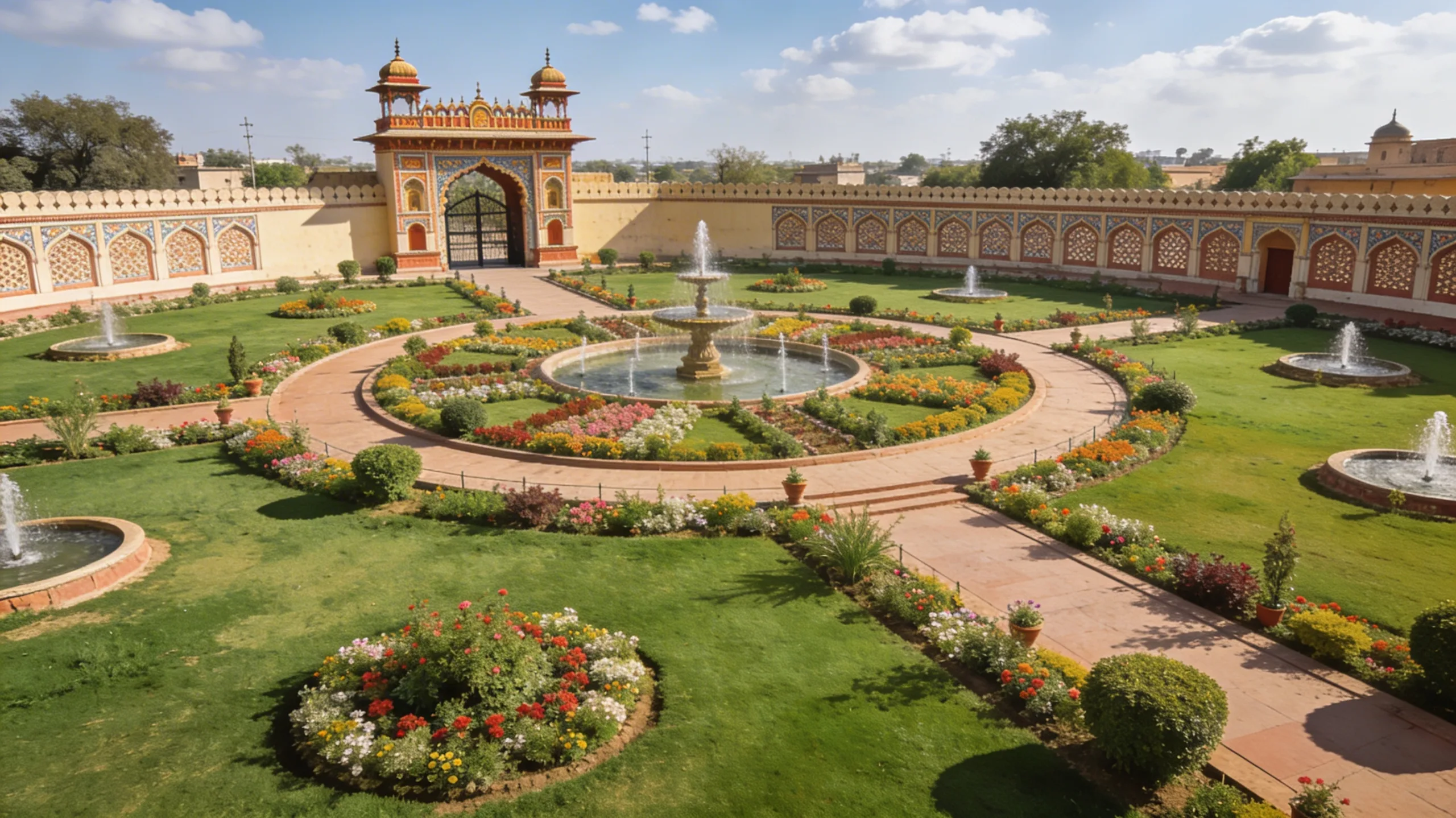
Saheliyon Ki Bari (royal garden)

Travel Tip: Udaipur is perfect for couples, making it a top honeymoon destination in Rajasthan.

Alternative Rajasthan Itineraries

3-Day Rajasthan Itinerary

Jaipur sightseeing (Day 1)

Jodhpur forts & markets (Day 2)

Udaipur lakes & palaces (Day 3)

5-Day Rajasthan Itinerary

Jaipur (2 days)

Jodhpur (1 day)

Jaisalmer desert safari (2 days)

Must-Visit Forts & Palaces in Rajasthan

Amber Fort (Jaipur)

Mehrangarh Fort (Jodhpur)

Jaisalmer Fort (Jaisalmer)

City Palace (Udaipur & Jaipur)

Chittorgarh Fort (Chittorgarh)

Junagarh Fort (Bikaner)

Rajasthan Travel Tips

Pack light cottons for the day and warm layers for desert nights.

Always carry sunscreen, sunglasses & a hat.

Pre-book desert safaris with trusted operators.

Travel between cities by train, flight, or private cab.

For budget trips, choose heritage homestays & guesthouses.

Conclusion

This Rajasthan tour itinerary is designed to give you the best of forts, palaces, and the desert experience. Whether you’re traveling with family, friends, or on a honeymoon, Rajasthan has something for everyone.

✨ Ready to explore the royal land of Rajasthan? Plan your trip with RootIndians and discover the magic of forts, palaces, and desert safaris like never before.

Other information visit here: www.rootindians.com

Follow us on Instagram: https://www.instagram.com/rootindians/

Like us on Facebook: https://www.facebook.com/profile.php?id=61576165336589

Related guide: Varanasi Tourist Places

Best Shopping Places in Rajasthan – A Cultural Treasure Hunt

Rajasthan isn’t just about royal palaces and desert sunsets—it’s a shopper’s paradise! From handcrafted textiles to sparkling jewelry, every market here tells a story. Here’s your guide to the best shopping experiences across the state.

🧵 Jaipur – The Pink City’s Colorful Bazaars
– Johari Bazaar – Traditional jewelry, especially kundan and meenakari
– Bapu Bazaar – Block-printed textiles, mojari shoes, and souvenirs
– Tripolia Bazaar – Lac bangles and brassware
Root Tip: Visit early evening for best deals!

🌾 Jodhpur – The Blue City’s Artisan Treasures
Bada Bazaar – Traditional clothing, antiques, and silver jewelry
Root Tip: Bargain politely—it’s part of the culture!

🌸 Pushkar – Spiritual Souvenirs & Boho Vibes
– Main Market Street – Incense, spiritual items, leather journals, hippie clothes
Best during: The Pushkar Camel Fair (Nov)

Final Word from Root Indians
Rajasthan’s markets are more than shopping spots—they’re cultural hubs. Whether you’re looking for a statement piece or a memory to take home, we’ll help you shop smart and local.

Let Root Indians plan your guided shopping tour in Rajasthan!
📞 +91-78777 38437 | 🌐 www.rootindians.com

Best Time to Visit Rajasthan – Month-by-Month Breakdown By Root Indians Travel

Rajasthan—land of royalty, colors, forts, and endless cultural charm—is a year-round destination, but your experience can vary greatly based on when you visit. Here’s a month-by-month guide to help you plan your perfect Rajasthan trip.

☀️ October to March – Peak Season (Best Time to Visit)
Weather: Pleasant days, cool nights (10°C–25°C)
Why Visit: Ideal for sightseeing, desert safaris, and cultural experiences.
Events:
– Pushkar Camel Fair (Nov)
– Jaipur Literature Festival (Jan)
– Mewar Festival (Mar)

Top Places: Jaipur, Jodhpur, Udaipur, Jaisalmer, Mount Abu

🌸 April to June – Summer Season
Weather: Hot (35°C–45°C), especially in the plains
Why Visit: Fewer tourists, better hotel deals, great for hill stations like Mount Abu
Tip: Visit early mornings/evenings, and stay in air-conditioned stays.

Top Places: Mount Abu, Udaipur (with lake views), Ranakpur (temples + greenery)

🌧️ July to September – Monsoon Magic
Weather: Warm & humid (25°C–35°C) with scattered rain
Why Visit: Lush landscapes, romantic views, low travel costs
Events:
Teej Festival (Jul/Aug)
– Raksha Bandhan celebrations in forts & palaces

Top Places: Udaipur, Bundi, Banswara, Kumbhalgarh, Jawai (green & fresh)

Quick Tips:
– For desert safaris & camel rides: Oct–Feb is ideal.
– For festivals: Nov–Mar is packed with cultural events.
– For photography & nature lovers: Monsoon brings dramatic skies & greenery.
– For budget travelers: Off-season (Apr–Sept) offers great deals.

Final Word from Root Indians:
No matter when you choose to visit, Rajasthan has its own magic in every season. At Root Indians, we customize your travel based on weather, festivals, and your personal comfort.

Ready to plan your journey? Let us craft it for you.
www.rootindians.com | info@rootindians.com | +91-78777 38437

Rajasthan Budget Travel Tips: 7 Money-Saving Hacks

Ever stood at the entrance of a magnificent Rajasthani palace, then checked your wallet and winced? Yeah, me too. But here’s the thing – this vibrant desert state doesn’t actually require emptying your savings account.

I’ve spent 47 days exploring Rajasthan on a shoestring budget that would make luxury travelers gasp. The secret? Knowing exactly where the locals eat, sleep, and find joy without the tourist markup.

In this guide, I’m sharing 7 practical Rajasthan budget travel hacks that saved me over ₹25,000 on my last trip. No generic “eat street food” advice here – just specific, actionable tips that work in 2023.

The first hack alone saved me enough for three extra days in Jaipur. Curious what it is?

Budget-Friendly Accommodation Options

A. Homestays: Experience Local Culture at Half the Price

Want the real Rajasthan experience without emptying your wallet? Homestays are your golden ticket. I stayed with a family in Jodhpur last year and paid just ₹800 per night – including home-cooked Rajasthani meals that would’ve cost me ₹300 each at restaurants!

Most homestay hosts double as unofficial tour guides, showing you hidden gems tourists never find. My host Ramesh took me to a local puppet maker’s workshop and negotiated prices that were 40% lower than what I’d have paid alone.

Bonus: Many homestays offer cooking classes where you’ll learn to make authentic dal baati churma. That’s a souvenir that keeps giving long after your trip ends.

B. Government Tourist Houses: Affordable Official Options

The RTDC (Rajasthan Tourism Development Corporation) runs hotels that are bizarrely underrated. These clean, no-nonsense places cost 30-50% less than similar private hotels.

Their locations? Often unbeatable. The RTDC hotel in Udaipur sits right near Lake Pichola, where private hotels charge triple for the same view.

Pro tip: Book directly through the RTDC website to avoid commission fees from third-party sites. Call them if the website acts up (it often does).

C. Budget Hostels: Social and Economical

Rajasthan’s hostel game has exploded in recent years. For as little as ₹300-500 per night, you’ll get a clean bed, usually free WiFi, and something even more valuable – insider knowledge from fellow travelers.

In Jaipur, hostels like Moustache and Zostel organize group trips to Amer Fort, cutting your transportation costs in half. Many hostels also have kitchens where you can cook your own meals – a massive money-saver.

D. Off-Season Deals: When to Book for Maximum Savings

Timing is everything. Visit between April-June or September-October and watch prices drop by up to 60%. Sure, it’s hot in summer, but morning sightseeing and afternoon siestas make it totally manageable.

Hotels desperate for business during off-season often throw in freebies – I’ve scored complimentary airport pickups, free breakfasts, and even room upgrades just by visiting in May.

The real hack? Book accommodations directly via phone after finding them online. Most owners will happily cut out the middleman commission if you pay cash on arrival.

Transportation Hacks for Rajasthan

A. Local Buses: The Cheapest Way to Travel Between Cities

Skip the pricey private cars – local buses are your budget-friendly lifeline in Rajasthan. At just ₹10-15 per 10km, they’ll slash your transportation costs to almost nothing. Sure, they’re not luxurious (expect crowds and no AC), but that’s part of the authentic experience!

Rajasthan State Road Transport Corporation (RSRTC) runs reliable services connecting major cities and tiny villages alike. For the ultimate savings, grab the early morning buses when locals travel – they’re less crowded and often cheaper.

B. Shared Jeeps: Off-the-Beaten-Path Affordability

Want to reach those magical desert spots buses don’t cover? Shared jeeps are your answer. These rugged vehicles pack in locals (and their occasional livestock) for a fraction of private taxi prices.

Head to any town’s main transport hub and ask for “shared taxi” service. Expect to pay around ₹100-200 for distances that would cost ₹1000+ in a private car. Bonus: drivers know all the shortcuts and local gossip!

C. Train Travel: Scenic Routes at Economy Prices

Nothing beats Indian Railways for combining views with value. The desert landscapes through a train window? Magical. Book Sleeper Class tickets for journeys between Jaipur, Jodhpur, and Udaipur to save serious cash.

Pro tip: Plan 2-3 months ahead using the IRCTC website for Tatkal (last-minute) quotas if you’re flexible. The Jaipur-Jaisalmer overnight train lets you save on accommodation while traveling!

D. Walking Tours: Free Exploration in Historic Cities

Rajasthan’s cities were built for walking. Jaipur’s Pink City, Udaipur’s lakeside paths, and Jodhpur’s winding blue alleys are best explored on foot.

Download free self-guided walking tour maps or join the “free” walking tours offered in tourist areas (though tipping is expected). Morning walks before 9AM give you empty streets and perfect photo opportunities without spending a rupee.

E. Rental Bikes: Freedom on a Budget

Renting a scooter or motorcycle gives you independence without the high costs. Daily rentals run about ₹300-500 for scooters and ₹600-800 for motorcycles – cheaper than even a single taxi ride between attractions.

In places like Pushkar and Udaipur, you’ll discover hidden cafes, temples, and viewpoints that tour buses never reach. Just check the bike thoroughly before taking off, and always negotiate prices upfront!

Eat Like a Local, Save Like a Pro

Street Food Gems: Delicious and Inexpensive

Want to slash your food budget in half while traveling through Rajasthan? Eat where the locals eat.

The street food scene in Rajasthan isn’t just cheap—it’s an explosion of flavors that’ll make you question why you ever considered those overpriced tourist restaurants.

In Jaipur, hunt down a pyaaz kachori (around ₹20) with its crispy exterior and spicy onion filling. It’s breakfast for champions and costs less than a bottle of water at your hotel.

Jodhpur’s mirchi bada—green chilies stuffed with spiced potato, dipped in gram flour batter and fried to perfection—will set you back just ₹15-25. Pair it with a glass of lassi for ₹30, and you’ve got a meal that’ll keep you full for hours.

Thali Restaurants: All-You-Can-Eat Bargains

Talk about bang for your buck! A traditional Rajasthani thali is basically an all-you-can-eat feast for around ₹150-300, depending on where you go.

At places like Laxmi Mishthan Bhandar in Jaipur, they’ll keep refilling those little metal bowls until you surrender. Dal, baati, churma, gatte ki sabzi, ker sangri—the works!

The beauty of thali eating? You try everything without committing to full portions of dishes you might not love.

Local Dhabas: Authentic Meals at Fraction of Tourist Prices

Dhabas are where truck drivers eat. And trust me, these guys know where to find good, cheap food.

These roadside joints serve hearty, home-style Rajasthani cooking at prices that’ll make you do a double-take. A full meal with roti, dal, sabzi and sometimes even a sweet dish costs between ₹80-150.

Look for places with lots of locals, plastic chairs, and zero frills. The less English on the menu, the more authentic (and cheaper) it’ll probably be.

Free and Low-Cost Attractions

Self-Guided Walking Tours

Rajasthan’s cities are perfect for exploring on foot, and it won’t cost you a dime. In Jaipur, grab a free map from your hostel and wander through the Pink City’s bazaars and hidden lanes. The morning walk around the old city walls hits different – fewer tourists, cooler temps, and amazing photo ops of locals starting their day.

In Udaipur, the lakeside paths offer stunning views that rich tourists pay premium hotel rates to see. But you? You’ll get them for free. The walk from Gangaur Ghat to Ambrai Ghat is particularly gorgeous at sunset.

Jodhpur’s blue alleyways are a photographer’s dream. Skip the expensive guided tours and just get lost in the maze-like streets below the fort. The locals will point you in the right direction if needed – often with a chai invitation thrown in.

Public Temples and Historic Sites Without Entry Fees

The truth? Some of Rajasthan’s most magical places don’t charge a rupee. Pushkar’s ghats and 52 bathing steps surrounding the sacred lake are completely free to explore. The energy during morning prayers is something no paid attraction can match.

Jaipur’s Govind Dev Ji Temple welcomes everyone without an entry fee. Show up for the morning aarti at 5:30am and you’ll experience authentic local devotion few tourists ever see.

In Udaipur, the Jagdish Temple sits right in the city center – zero entry fee for this 17th-century marvel with its detailed carvings and daily ceremonies.

Free Museum Days: When to Visit Popular Attractions

Smart travelers know when to show up. The Albert Hall Museum in Jaipur offers free entry every 18th of the month. Mark your calendar and save 300 rupees right there.

City Palace museums in several Rajasthan cities have discounted hours – typically early mornings on weekdays when tourist numbers drop. The Mehrangarh Fort in Jodhpur occasionally runs local appreciation days with significantly reduced fees for everyone.

The catch? You’ve gotta be flexible. Museums get crowded on free days, so arrive early. The upside is you’ll be surrounded by local visitors rather than just tourists, making for a more authentic experience.

Shopping Smart in Rajasthan

Local Markets vs. Tourist Shops: Price Differences

The price gap between local markets and tourist shops in Rajasthan is downright shocking. I’ve seen the same leather bag priced at ₹400 in a local bazaar and ₹2,000 in a tourist shop near Hawa Mahal. That’s a 400% markup!

Local markets like Johari Bazaar in Jaipur or Sadar Bazaar in Jodhpur offer authentic goods at actual local prices. Meanwhile, tourist-oriented shops in hotel zones or near attractions are basically running a different currency system.

Item Local Market Price Tourist Shop Price
Block print scarf ₹150-250 ₹600-800
Leather mojaris ₹300-500 ₹1,200-2,000
Small marble piece ₹200-400 ₹800-1,500

Pro tip: Ask your guesthouse staff where they shop. Not “where should tourists shop?” but “where do YOU buy things?” Huge difference in the answer you’ll get.

Bargaining Techniques That Actually Work

Bargaining isn’t just expected in Rajasthan—it’s practically mandatory. But there’s an art to it.

First, never show too much excitement. The moment you gush over an item, the price magically doubles. Keep your poker face on.

Start by offering 40-50% of the asking price. Yes, that low. The vendor expects this dance.

My favorite technique? The walkaway. When negotiations stall, politely thank the seller and start leaving. About 70% of the time, they’ll call you back with a better offer.

Always bargain in rupees, not dollars or euros. Using foreign currency is basically announcing “I have no idea what things cost here.”

And remember—bargaining should be friendly, not aggressive. It’s a game where both sides expect to meet in the middle.

What to Buy and What to Skip for Budget Travelers

Skip the heavy marble items. Yes, they’re gorgeous, but shipping costs can exceed the item’s value, and they’ll break your baggage weight limit.

Textiles are your friend. Block-print fabrics, scarves, and bedcovers pack flat, weigh nothing, and showcase Rajasthan’s famous textile traditions without breaking the bank.

Avoid anything labeled “antique.” Real antiques require export permits, and fake ones are just overpriced reproductions with artificial aging.

Mass-produced camel keychains and generic “India” t-shirts? Hard pass. They’re not made in Rajasthan and can be found anywhere.

Worth the money: locally-made blue pottery from Jaipur, lac bangles from Jodhpur, and miniature paintings (small ones!) from Udaipur. These traditional crafts offer authentic quality at reasonable prices.

Best Value Souvenirs

For maximum bang for your rupee, these souvenirs deliver:

  1. Spices from local markets—a ₹100 packet of authentic Rajasthani garam masala beats any gift shop souvenir.

  2. Mojaris (leather shoes)—surprisingly affordable at ₹300-600 in local markets and uniquely Rajasthani.

  3. Block print fabric—buy it by the meter (₹150-250) and have things made back home, or get ready-made cushion covers for ₹200-300.

  4. Lac bangles—a rainbow stack costs just ₹150-300 and weighs practically nothing.

  5. Small puppets—these colorful cloth puppets pack flat, cost ₹100-200, and showcase traditional Rajasthani craft.

Remember, the best souvenirs tell a story. That ₹200 tea cup you bargained for in a tiny shop down a lane in Pushkar will bring back memories far better than an expensive “official” souvenir.

Timing Your Visit

Monsoon Season Discounts

The secret most tourists miss? Visiting Rajasthan during monsoon (July-September) can slash your expenses by up to 50%. Hotels practically beg for guests during this “off-season,” with luxury rooms suddenly within reach of modest budgets.

I once snagged a heritage haveli stay in Jaipur for just ₹1,200 that normally costs ₹4,000 in peak season. The rain typically falls in short bursts, leaving plenty of dry hours to explore. Plus, the desert landscapes transform into lush green vistas you won’t see any other time.

Weekday vs. Weekend Rates

The difference between a Tuesday check-in and a Friday one? Sometimes thousands of rupees. Hotels, tour operators, and even some restaurants in tourist hotspots like Udaipur and Jodhpur jack up prices by 30-40% on weekends.

| Accommodation Type | Weekday Rate | Weekend Rate | Savings |
|-------------------|--------------|--------------|---------|
| Budget Hotel      | ₹800-1,200   | ₹1,200-2,000 | ~40%    |
| Mid-range Hotel   | ₹2,000-3,500 | ₹3,500-5,500 | ~45%    |
| Heritage Property | ₹4,000-7,000 | ₹7,000-12,000| ~45%    |

Simply shifting your itinerary to spend weekends in smaller towns and weekdays in major destinations can save you serious cash.

Avoiding Festival Price Surges

Rajasthan’s festivals are magical but brutal on your wallet. During Diwali, Holi, and Pushkar Fair, prices can triple overnight. I’ve watched a ₹500 thali meal suddenly cost ₹1,500 during festival days.

Plan your visit just before or after major festivals—you’ll still catch the decorations and energy without the inflated rates. If you must experience a festival, book accommodations at least 4-5 months in advance to lock in semi-reasonable prices.

Digital Tools for Budget Travel

Apps for Finding Last-Minute Accommodation Deals

Traveling Rajasthan doesn’t have to drain your wallet, especially when it comes to places to crash. I’ve saved thousands using these apps:

  • Booking.com has this “Deals Near Me” feature that’s gold when you’re already in Jaipur and need a room ASAP
  • Hostelworld consistently gets me beds in Pushkar and Jodhpur for under ₹400
  • OYO is basically the king of budget stays in Rajasthan – their last-minute discounts can slash prices by 60%

Pro tip: Most places in Rajasthan drop their prices dramatically after 6pm. I once scored a heritage haveli room in Udaipur for ₹900 instead of ₹3,500 just by waiting until evening to book.

Price Comparison Platforms for Tours

The difference between overpaying and getting a steal on Rajasthan tours can be massive:

  • GetYourGuide and Viator let you compare similar tours side-by-side
  • Klook often has exclusive deals on camel safaris in Jaisalmer
  • TourRadar is perfect for multi-day trips through the desert

What locals know: Booking through these platforms is often 30-40% cheaper than arranging tours through your hotel. I found a private driver for Jaipur-Pushkar-Jodhpur for ₹3,500 less than what my hostel quoted.

Social Media Groups for Budget Travelers in Rajasthan

Join these Facebook goldmines:

  • “Backpacking India” (120k+ members)
  • “Rajasthan Budget Travel Tribe” (smaller but hyper-focused)
  • “Girls Love Travel” (if that applies to you)

These groups are where you’ll find people to split transport costs with. They’re also packed with recent intel on which places are overcharging tourists this season. Members often post about spontaneous meetups for group discounts on jeep safaris and cooking classes.

Offline Maps to Avoid Roaming Charges

Don’t get suckered into expensive data plans or roaming charges. Download these before your trip:

  • Maps.me – has every tiny alley in Rajasthan’s old cities
  • Google Maps offline – download the entire state with one tap
  • Sygic – shows you tourist prices vs. local prices for many attractions

The real money-saver? These maps help you avoid the tourist traps where prices magically double. They’ll guide you to local haunts where meals cost ₹80 instead of ₹300.

Exploring the vibrant state of Rajasthan doesn’t have to drain your wallet. From staying in budget-friendly homestays and heritage havens to navigating the desert state with affordable public transport and shared rides, there are countless ways to experience Rajasthan’s magic while keeping costs low. Sampling street food, visiting free cultural sites, hunting for bargains in local markets, and traveling during shoulder seasons all contribute to a memorable yet economical adventure.

Take advantage of these seven money-saving hacks on your next Rajasthan journey and discover that the land of kings can indeed be explored on a commoner’s budget. With some strategic planning and the right digital tools to track expenses and find deals, you’ll return home with a wealth of experiences and perhaps even some rupees to spare. Start planning your budget-friendly Rajasthan adventure today!

WhatsApp