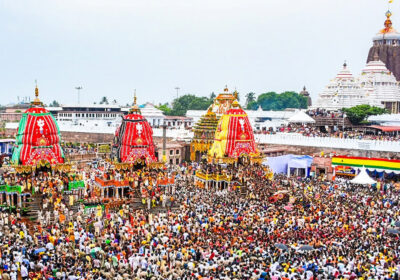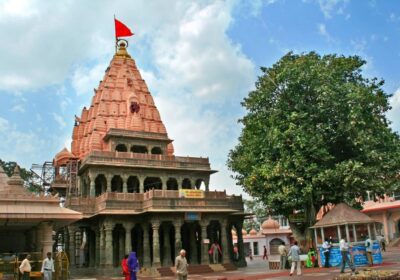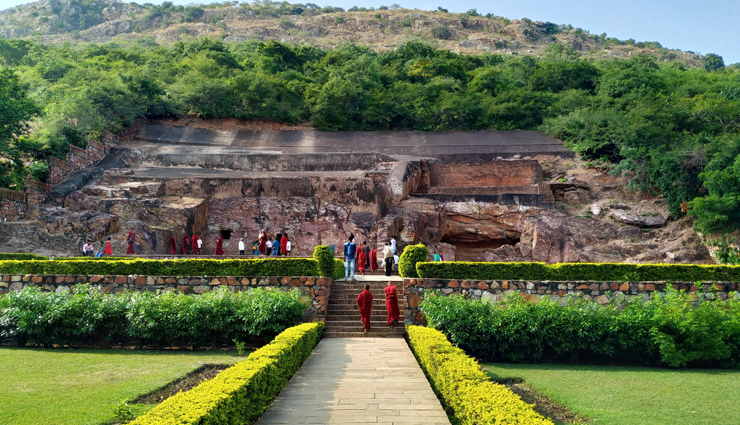


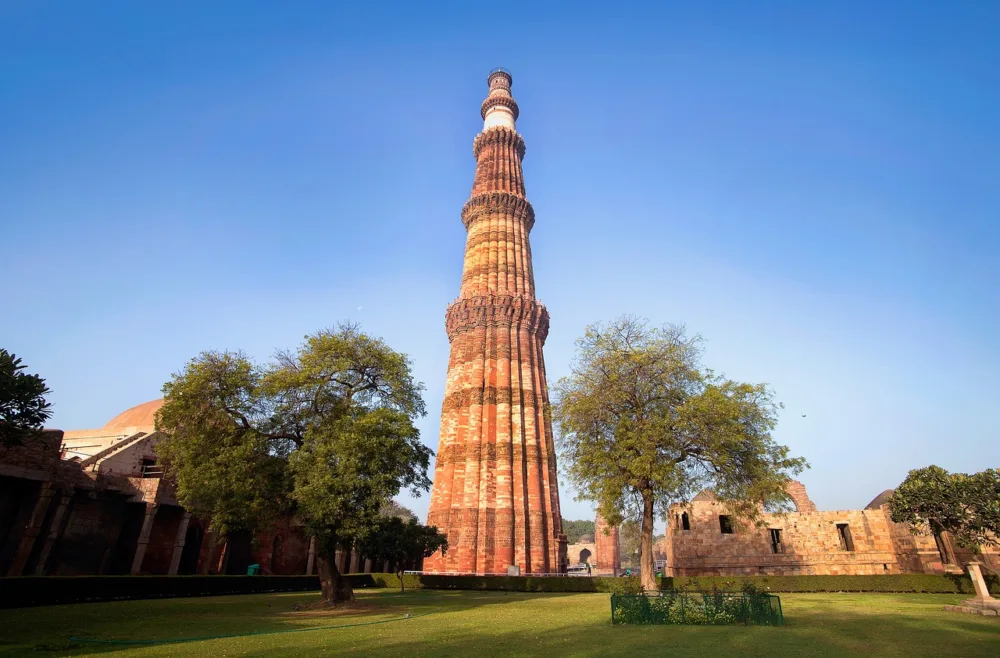







India is a land of spirituality, history, and culture. Among all its sacred places, Ayodhya & Varanasi hold a very special place in the hearts of millions. Whether you are a religious traveler, a history lover, or someone who simply wants to explore the roots of Indian civilization, these two cities will leave you speechless. In this guide by Root Indians, we cover everything you need to know — from how to reach, what to see, what to eat, to a ready-to-use 5-day itinerary.
Introduction to Ayodhya & Varanasi Travel Guide
Varanasi – The City That Never Sleeps
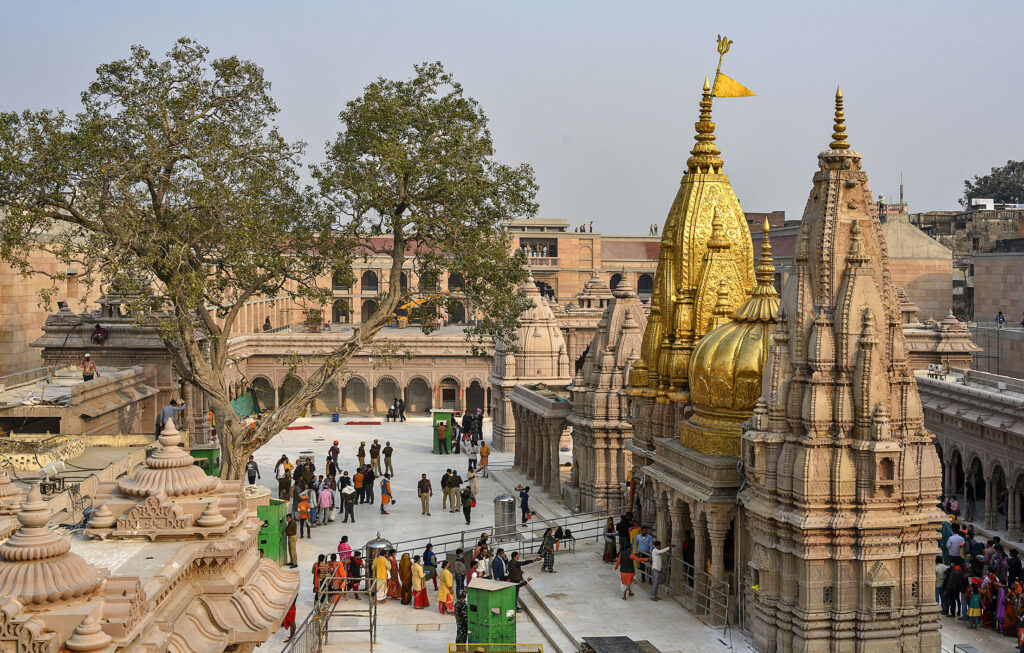
Varanasi, also known as Kashi or Banaras, is one of the oldest living cities in the world. Situated on the banks of the holy river Ganga in Uttar Pradesh, this city is the spiritual capital of India. People come here to take a dip in the sacred Ganga, witness the famous Ganga Aarti, and explore over 2,000 temples. Varanasi is also a major center for classical music, silk weaving, and Indian philosophy.
Ayodhya – The Birthplace of Lord Ram
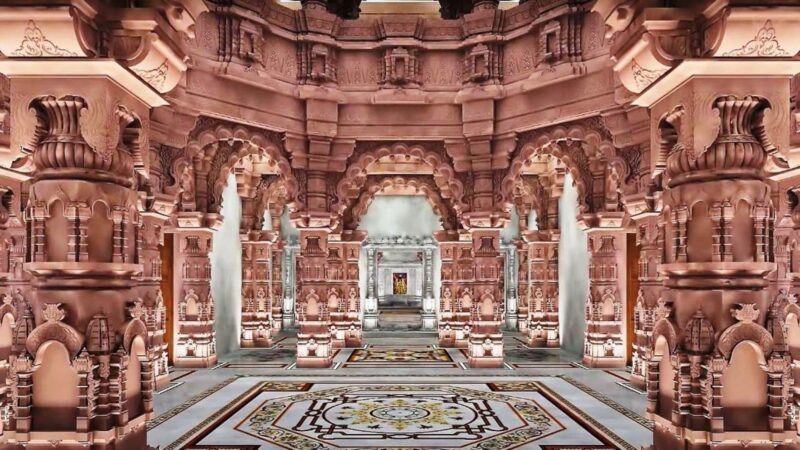
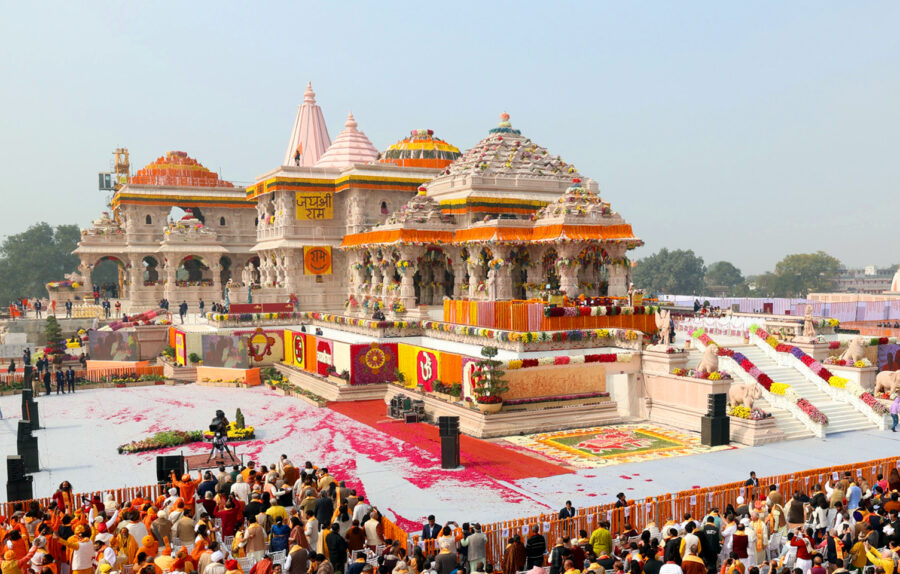
Ayodhya is one of the seven sacred cities of Hinduism and is believed to be the birthplace of Lord Shri Ram. Located along the banks of the Saryu river, also in Uttar Pradesh, Ayodhya has seen a massive transformation in recent years. The grand Ram Mandir, which was inaugurated in January 2024, has made Ayodhya one of the most visited pilgrimage destinations in India. The city breathes devotion, history, and divine energy.
Major Attractions of Ayodhya & Varanasi
Majour Attractions in Varanasi
- Dashashwamedh Ghat – The main ghat famous for Ganga Aarti
- Kashi Vishwanath Temple – One of 12 Jyotirlingas dedicated to Lord Shiva
- Manikarnika Ghat – The main cremation ghat with deep spiritual meaning
- Sarnath – Where Buddha gave his first sermon
- Assi Ghat – Popular for morning yoga and meditation
- Ramnagar Fort – Beautiful palace across the river
- Banaras Hindu University – Historic university with Vishwanath Temple
Major Attractions in Ayodhya
- Ram Janmabhoomi Temple – The grand new Ram Mandir
- Hanuman Garhi – Temple dedicated to Lord Hanuman
- Kanak Bhawan – Beautiful temple with golden idols
- Saryu River Ghats – Peaceful bathing ghats
- Nageshwarnath Temple – Ancient Shiva temple
- Ram Ki Paidi – Series of ghats for holy dip
- Tulsi Smarak Bhawan – Museum dedicated to poet Tulsidas
How to Reach Varanasi
By Air: Lal Bahadur Shastri International Airport connects major cities
By Train: Varanasi Junction is well-connected to all parts of India
By Road: Good highways connect Varanasi to Delhi, Lucknow, and other cities
How to Reach Ayodhya
By Air: Ayodhya Airport (Maharishi Valmiki International Airport) now operational
By Train: Ayodhya Junction connects to major cities
By Road: 130 km from Lucknow via excellent highway
5-Day Itinerary with Root Indians
Day 1: Arrival in Varanasi
Arrive at Varanasi airport or station. Check into hotel. Evening visit to Dashashwamedh Ghat for Ganga Aarti. Overnight in Varanasi.
Day 2: Varanasi Exploration
Early morning boat ride on Ganga. Visit Kashi Vishwanath Temple. Explore local markets. Visit Sarnath in afternoon. Overnight in Varanasi.
Day 3: Varanasi to Ayodhya
Morning temple visits. Drive to Ayodhya (about 4-5 hours). Evening visit to Saryu ghats. Overnight in Ayodhya.
Pro Tip – Saryu Aarti in Ayodhya
Reach Ram Ki Paidi ghat at least 30 minutes before the Saryu Aarti begins, usually around 6:30 PM. Sit close to the river for the best view and photos. Carry a small diya (lamp) to float on the water after the aarti, it is a beautiful and memorable experience.
Day 4: Ayodhya Darshan
Visit Ram Janmabhoomi Temple. Explore Hanuman Garhi and Kanak Bhawan. Visit other temples. Evening aarti at Ram Ki Paidi. Overnight in Ayodhya.
Day 5: Departure from Ayodhya
Morning visit to remaining sites. Departure from Ayodhya airport or station. Tour ends with beautiful memories.
Food & Cuisine
What to Eat in Varanasi
Varanasi is famous for its street food. You must try the Banarasi Kachori Sabzi for breakfast — it is a local staple. Tamatar Chaat, Malaiyyo (a seasonal milk-based dessert), Banarasi Paan, Lassi, and Jalebi are absolute must-tries. For full meals, try local dhabas serving simple, home-style vegetarian food.
What to Eat in Ayodhya
Ayodhya is predominantly a vegetarian city. Prasad (sacred food offering) from temples is a special experience in itself. Try Peda (milk sweet), Kheer, Aloo Puri, and fresh coconut water. Many small eateries near Ram Mandir serve delicious thali meals at very affordable prices.
Culture & Traditions
Both Varanasi and Ayodhya are deeply rooted in Hindu culture and spirituality. Varanasi is known for its Gharana music traditions, Banarasi silk sarees, and the ancient practice of yoga and Sanskrit learning. The city celebrates every festival with great energy — Diwali in Varanasi (known as Dev Deepawali) is a breathtaking experience when the entire Ganga is lit up with thousands of lamps.
Ayodhya, on the other hand, resonates with the story of Ramayana in every corner. The city celebrates Ram Navami (birthday of Lord Ram) and Diwali with immense grandeur. The culture here is gentle, devotional, and welcoming. Locals are proud of their heritage and are very hospitable to pilgrims and tourists.
Why Choose Root Indians for Your Varanasi–Ayodhya Tour?
Root Indians is a trusted India travel company that specializes in spiritual, cultural, and heritage tours across India.
- Expert guides with deep local knowledge of temples, ghats, history, and traditions
- Comfortable and customized travel packages for individuals, families, and groups
- Verified hotels and safe, reliable transportation at every step
- Seamless transfers between Varanasi and Ayodhya without any hassle
- Assistance with darshan bookings, temple queue management, and local experiences
- 24/7 customer support so you always have help when you need it
- Affordable pricing without compromising on quality or comfort
Whether you are a first-time traveler or someone returning to these sacred cities, Root Indians ensures that your journey is smooth, meaningful, and unforgettable. Let Root Indians be your trusted companion on this divine tour. For more information visit our website www.rootindians.com or contact on
+91 78777 38437 For Customized itinerary.
Important Notes
- Dress modestly when visiting temples
- Photography may be restricted in some areas
- Book Ram Mandir darshan slots in advance online
- Carry valid ID proof for temple visits
- Best time to visit is October to March
- Avoid leather items inside temple premises
Frequently Asked Questions (FAQs)
Q: What is the best time to visit Varanasi and Ayodhya?
A: October to March offers pleasant weather for sightseeing.
Q: How many days are enough for both cities?
A: 4-5 days are ideal to explore both cities properly.
Q: Is online booking required for Ram Mandir?
A: Yes, advance online booking is recommended for smooth darshan.
Q: Are the cities safe for solo travelers?
A: Yes, both cities are safe and welcoming for all travelers.
Q: What should I wear to temples?
A: Wear modest traditional Indian clothes for temple visits.