


Jawai Leopard Safari 2026: How It Works, Best Time, Cost and the New Safari Rules
The short answer: a Jawai leopard safari is a two-and-a-half to three-hour drive in an open 4x4 with a local tracker, at dawn or before dusk, through the granite hills around Jawai Dam in Rajasthan's Pali district, where leopards live among farms, temples and Rabari villages. October to March is the comfortable season. Jawai is about three hours from Udaipur and seven to eight from Jaipur, and one night — an evening and a morning safari — is the minimum worth doing. Since a Rajasthan High Court judgment on 5 September 2026, safari vehicles must be registered and GPS-tracked, and no operator can sell you a guaranteed sighting.
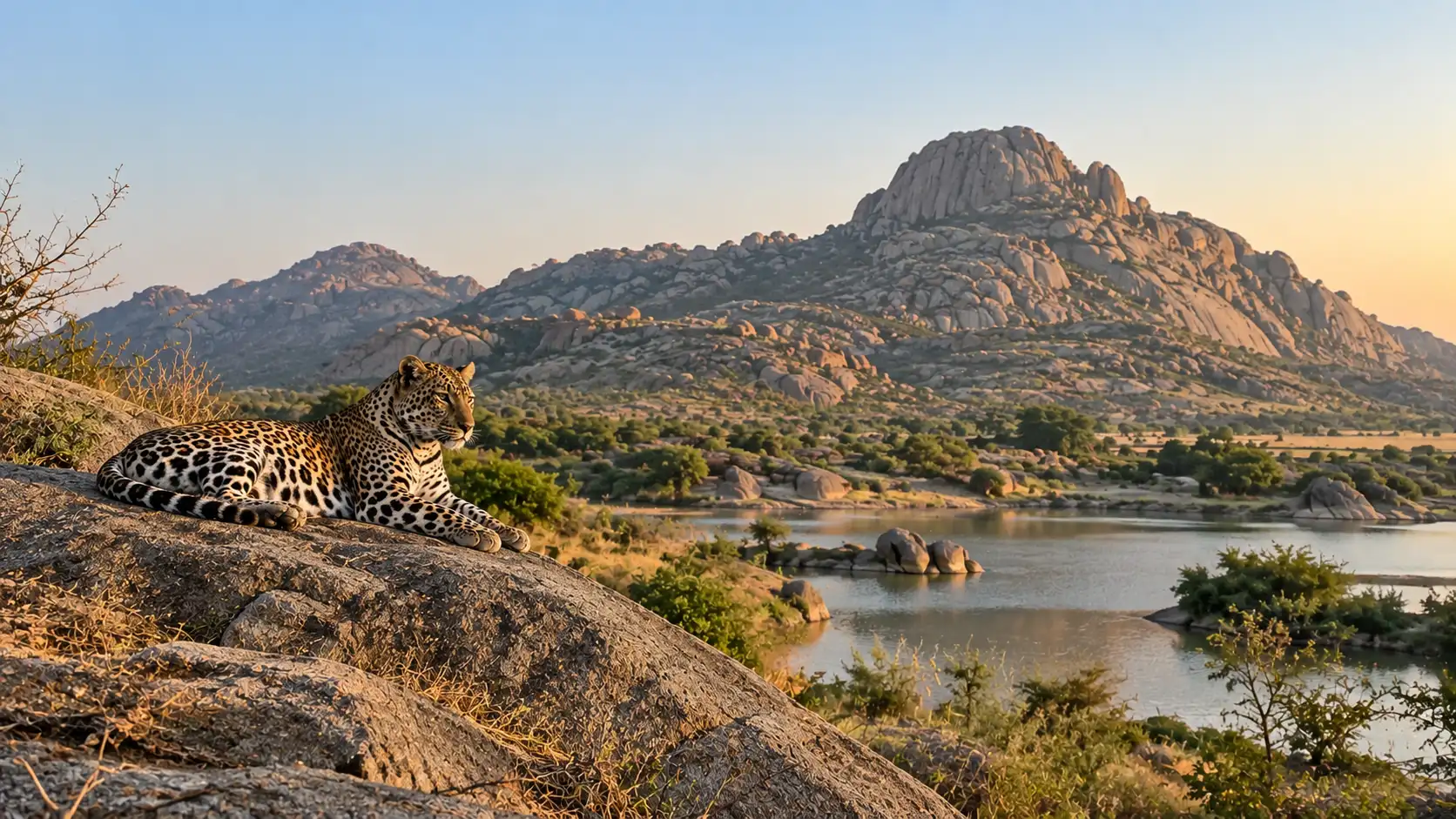
Jawai is not a national park. There is no gate, no zone system and no fence — just rounded granite hills, fields and villages around a large reservoir, where leopards have lived alongside people for generations. That is what makes it extraordinary, and it is also why it is changing: the landscape's popularity grew faster than its rules, and in 2026 the rules caught up.
This guide covers how the safari works, what your real chances are, the new regulations, the best months, how to get there and what a weekend costs. If you are weighing it against a tiger reserve, our Ranthambore tiger safari guide is the natural comparison.
All 5 long weekends at a glance
| Long weekend | Dates | Leave needed | Trip that fits |
|---|---|---|---|
| Gandhi Jayanti | Fri 2 – Sun 4 October | None | Pushkar & Ajmer (3 days) |
| Dussehra | Sat 17 – Tue 20 October | Mon 19 October | Udaipur & Mount Abu (4 days) |
| Diwali | Sat 7 – Tue 10 November | Mon 9 & Tue 10 November | Jaipur lights & Ranthambore (4 days) |
| Guru Nanak Jayanti | Sat 21 – Tue 24 November | Mon 23 November | Pushkar Camel Fair (4 days) |
| Christmas | Fri 25 – Sun 27 December | None | Ranthambore winter safari (3 days) |
How a Jawai leopard safari works
Safaris run twice a day, in the hours when leopards are most active and the light is soft. Morning drives usually start between 5:30 and 6:30am and evening drives between 4 and 5pm, each lasting about two and a half to three hours. You ride in an open 4x4 that typically seats four to six guests, with a driver and a local tracker.
The tracking is the skill. Trackers read fresh pugmarks on the sandy tracks, listen for alarm calls, and scan cave mouths and ledges with binoculars — often from a vantage point on a hill rather than by chasing. When a leopard is found, a good crew keeps its distance, switches off and waits.
Morning or evening safari?
Do both if you can. In the morning, leopards returning from the night are often seen settling onto the rocks as they warm. In the evening, they come out of the caves onto the boulders to watch the fields before dusk. The evening drive usually has the warmer light for photographs; the morning drive has cooler air and a quieter landscape.
What your chances really are
Sightings in Jawai are frequent because leopards use the same hills and caves, but they are never guaranteed — and after September 2026 no hotel or operator may sell a stay on the promise of one. Two safaris give you a far better chance than one. Treat anyone who promises a leopard as someone who has not read the judgment.
Jawai or Ranthambore: which safari should you choose?
• The animal: Jawai is about leopards on open rock; Ranthambore is about tigers in dry forest.
• The landscape: Jawai has no fences or gates — farms, villages and temples sit among the hills. Ranthambore is a national park with zones and fixed routes.
• Booking: Ranthambore seats are sold on the forest department's portal and holiday dates sell out; Jawai safaris are booked through local operators and camps.
• The feel: Jawai is quieter and more intimate; Ranthambore is busier, with more infrastructure and a fort inside the park.
• Getting there: Ranthambore is about three hours from Jaipur; Jawai is about three hours from Udaipur and seven to eight from Jaipur.
With time for both, do Ranthambore from Jaipur and Jawai from Udaipur — they sit naturally at opposite ends of a Rajasthan trip.
Jawai's new safari rules in 2026
On 5 September 2026 a Rajasthan High Court division bench delivered its judgment in Apoorva Agrawat vs State of Rajasthan, putting tourism across the Jawai landscape under a formal framework. It builds on the forest department's draft Standard Operating Procedure, which Outlook Traveller reported earlier in the year. What it means for a visitor:
• Registered, GPS-tracked vehicles only. Safari vehicles and operators must be registered and run working GPS tracking.
• No night safaris, baiting, spotlights or drones. Vehicles may not cluster near leopard dens or enter restricted areas.
• No guaranteed sightings. Hotels and operators can no longer advertise or sell rooms on the promise of seeing a leopard.
• A one-kilometre construction-control zone around caves, dens, breeding sites and corridors, enforcing a 2015 government order.
For travellers the practical rule is simple: ask your operator whether their vehicle is registered, and walk away from any offer of a night drive or a guaranteed leopard.
The Rabari herders and the temple leopards
Jawai's leopards share their hills with Rabari herders — semi-nomadic pastoralists, the men recognisable by their red turbans — who graze sheep, goats and cattle across the same granite outcrops. Many hilltops carry small temples, and leopards resting near them are part of everyday life here. That coexistence is the reason Jawai exists as a destination, and the reason the new rules matter: it depends on tourism not pushing the animals out.
A guided village walk is part of most Jawai stays. Ask before photographing anyone, and treat homes as homes, not as a stop on a safari.
Diwali long weekend 2026 (7–10 November): Jaipur's lights and Ranthambore
• October–November: green hills after the monsoon and pleasant days — the best overall window.
• December–February: cold mornings in an open jeep, clear light, and migratory birds at the dam.
• March: warmer days and drier hills, still comfortable for safaris.
• April–June: very hot; safaris keep to the first and last hours of the day.
• July–September: the monsoon, with fewer safaris running.
For how Jawai fits the rest of the state's seasons, see our best time to visit Rajasthan guide. Two of this year's long weekends from October to December 2026 suit a Jawai trip well.
How to reach Jawai
From Udaipur: about 140–160 km, roughly three hours — the easiest base. Our Udaipur travel guide covers the city before or after.
From Jodhpur: about 150–170 km, three to three and a half hours. See our Jodhpur travel guide.
From Jaipur: about 400 km, seven to eight hours by road. Leave at dawn, travel the night before, or break the journey — and book the transfers from our cab routes across Rajasthan.
By train: the nearest stations are Mori Bera, Jawai Bandh and Falna. Check timings and book on IRCTC, and arrange a pickup from the station.
By air: Udaipur and Jodhpur are the nearest airports.
Beyond the leopards: what else to do in Jawai
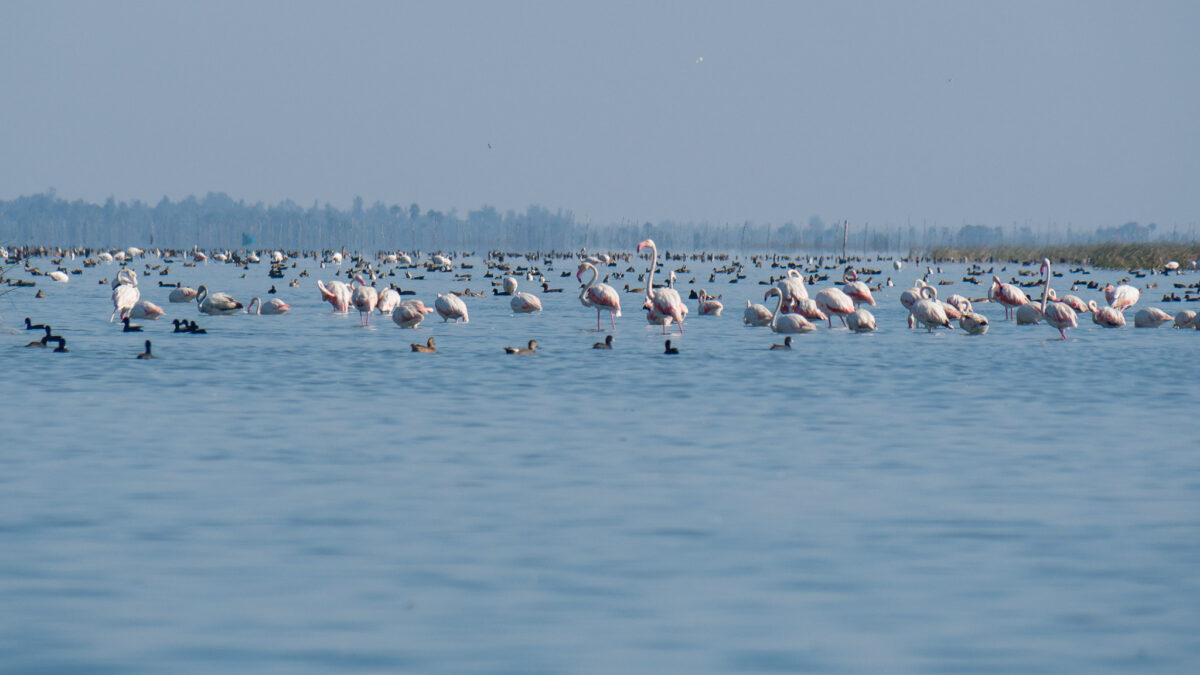
• Birdwatching at Jawai Dam: crocodiles along the banks and, in winter, flamingos and other migratory birds.
• Sunrise and sunset viewpoints: the granite hills turn gold at both ends of the day.
• Village walks: meet Rabari herders and see the farms the leopards live among.
• Stargazing: far from city lights, winter skies are clear.
• Ranakpur and Kumbhalgarh: the Jain temple and the fort are both easy half-day or day trips.
A two-night Jawai itinerary
Day 1 — arrive and evening safari
Reach Jawai by lunch from Udaipur or Jodhpur, or leave Jaipur at dawn. Rest through the afternoon heat, then take the evening safari as leopards come out onto the rocks. Stargaze at the camp after dinner.
Day 2 — morning safari, Jawai Dam and a village walk
Morning safari at first light. After breakfast, visit Jawai Dam for crocodiles along the banks and, in winter, flamingos and other migratory birds, then a guided walk to a Rabari village. Rest after lunch and take a second evening safari.
Day 3 — Ranakpur and on to Udaipur
Drive about two hours to Ranakpur's 15th-century Jain temple, famous for its 1,444 carved marble pillars and open to visitors from noon, then continue about 91 km to Udaipur by evening. With one more night, add Kumbhalgarh Fort, part of the UNESCO-listed Hill Forts of Rajasthan .
If you only have one night
Arrive by early afternoon, take the evening safari, sleep at the camp and take the morning safari before you leave. It is the minimum that gives you two chances at a sighting — and it is what the weekend group trip is built around.
What a Jawai leopard safari costs in 2026
• Our Jawai Leopard Escape group trip: Saturday and Sunday, one day and one night, from ₹2,499 per person.
• A shared-jeep safari booked on your own: commonly around ₹2,000–₹3,000 per person per drive in October–March, varying by operator.
• A private jeep: costs more, and is worth it for photographers.
• Stay: from simple homestays to luxury camps; winter weekends fill first.
• Getting there: a private car from Udaipur or Jodhpur, or a train plus a pickup.
What to wear, carry and photograph
• Earth-toned clothes, and a warm jacket for winter mornings — an open jeep at 6am in January is cold.
• Binoculars, a power bank and a scarf for dust.
• A zoom lens of 200 mm or more — leopards are often on distant rocks. • No flash, no drones, and no calling out when an animal is spotted.
• A zoom lens of 200 mm or more — leopards are often on distant rocks. • No flash, no drones, and no calling out when an animal is spotted.
Safari etiquette that protects the leopards
• Stay seated and quiet at a sighting; leopards move off when people get loud.
• Never ask the driver to go closer, off the track, or towards a cave.
• Do not bait, call or throw anything to make an animal move.
• Drive slowly through villages, and never enter temples or homes uninvited.
• Drive slowly through villages, and never enter temples or homes uninvited.
Frequently asked questions
What is the best time for a Jawai leopard safari?
October to March is the best time, when days are pleasant and mornings are crisp. Leopards are seen year-round, but April to June is very hot and the monsoon months have fewer safaris.
Are leopard sightings guaranteed in Jawai?
No. Sightings are frequent because leopards use the same hills, but they are never guaranteed. Since September 2026, operators may not sell stays on the promise of a leopard sighting. Doing both a morning and an evening safari gives you the best chance.
What are the Jawai safari timings?
Morning safaris usually start between 5:30 and 6:30 AM, while evening safaris generally start between 4:00 and 5:00 PM. Each safari usually lasts around two and a half to three hours.
How far is Jawai from Jaipur?
Jawai is approximately 400 km from Jaipur and takes roughly seven to eight hours by road. Most visitors reach Jawai from Udaipur, which is about three hours away, or Jodhpur, which is around three to three and a half hours away.
Do I need a permit for a Jawai safari?
Jawai does not have a ticket portal like Ranthambore. Safaris are operated through local operators. Under the 2026 judgment, safari vehicles and operators must be registered and GPS-tracked, so ask your operator to confirm this before booking.
Are night safaris allowed in Jawai?
No. Night safaris, baiting, spotlights and drones are prohibited under the Rajasthan High Court's September 2026 judgment.
Is Jawai good for a honeymoon?
Yes. Jawai's tented camps offer secluded stays surrounded by the Aravalli landscape, making it a popular choice for couples. You can also pair Jawai with Udaipur for a complete Rajasthan honeymoon experience.
Explore our Honeymoon in Rajasthan Guide →Can children go on a Jawai safari?
Yes, families with children do go on Jawai safaris. Keep children seated and quiet inside the jeep, and dress them warmly during winter mornings.
How many safaris should I do in Jawai?
At least two are recommended — one morning and one evening safari. Three safaris can give photographers more opportunities, especially during winter when wildlife activity is often easier to observe.
Can I do a Jawai safari as a day trip from Udaipur?
It is possible but can be tiring, with around three hours of travel each way plus a safari lasting two and a half to three hours. Staying one night in Jawai is a better option and gives you the opportunity to experience two safaris.
Is Jawai safe for visitors?
Yes, when standard wildlife-safety precautions are followed. Stay inside the vehicle during safaris, walk around the camp only where staff advise, and always follow the instructions of your tracker and safari team.
Plan your long weekend with Root Indians
Root Indians plans short Rajasthan breaks from Jaipur — the car, the hotel, the safari booking and a plan that respects how little time a long weekend gives you.
Combine Jawai with Udaipur and Ranakpur in one of our Rajasthan tour packages , or call +91 78777 38437 and tell us your dates